• SERVICES

From Functional Analysis to Treatment Solutions

We provide functional analysis, digital planning, and technical solutions for complex restorative and interdisciplinary cases.

Case consultation is available to support treatment planning and interdisciplinary decision-making.

Services can be used individually or combined according to the requirements of each case.

Consulting

NATURAL ESTHETICS provides case-specific consultation for complex restorative and interdisciplinary cases. Consultation is provided on a time-based fee basis.

Based on more than 25 years of experience in Bioesthetic Dentistry, we address your specific clinical questions by identifying functional, morphological, and technical requirements and supporting treatment planning, treatment sequencing, and interdisciplinary coordination.
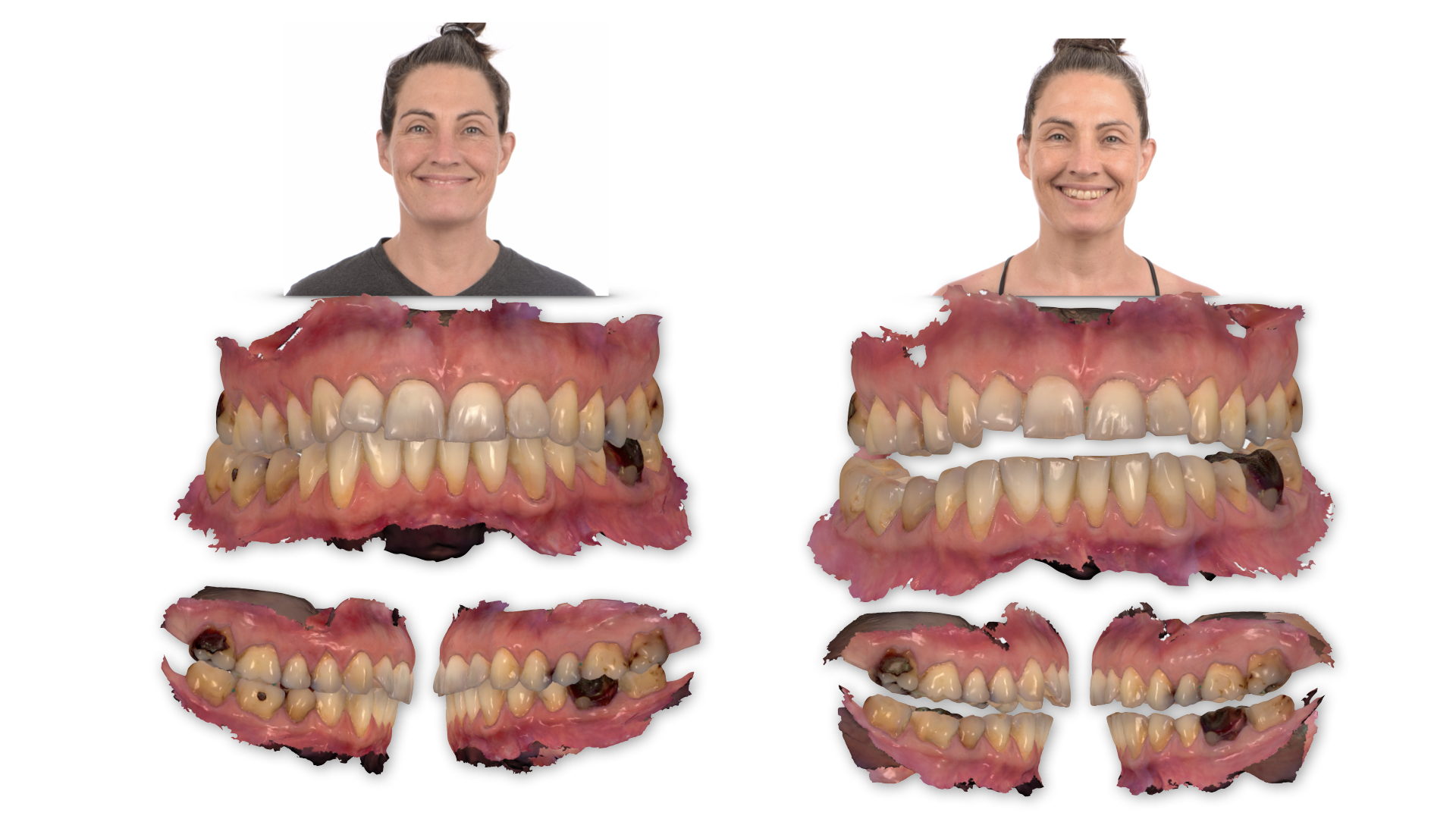
  • CLINICAL AND DENTAL INFORMATION

    Clinical photographs and digital dental records provide information on tooth position, morphology, occlusal relationships, and their relationship to the patient.

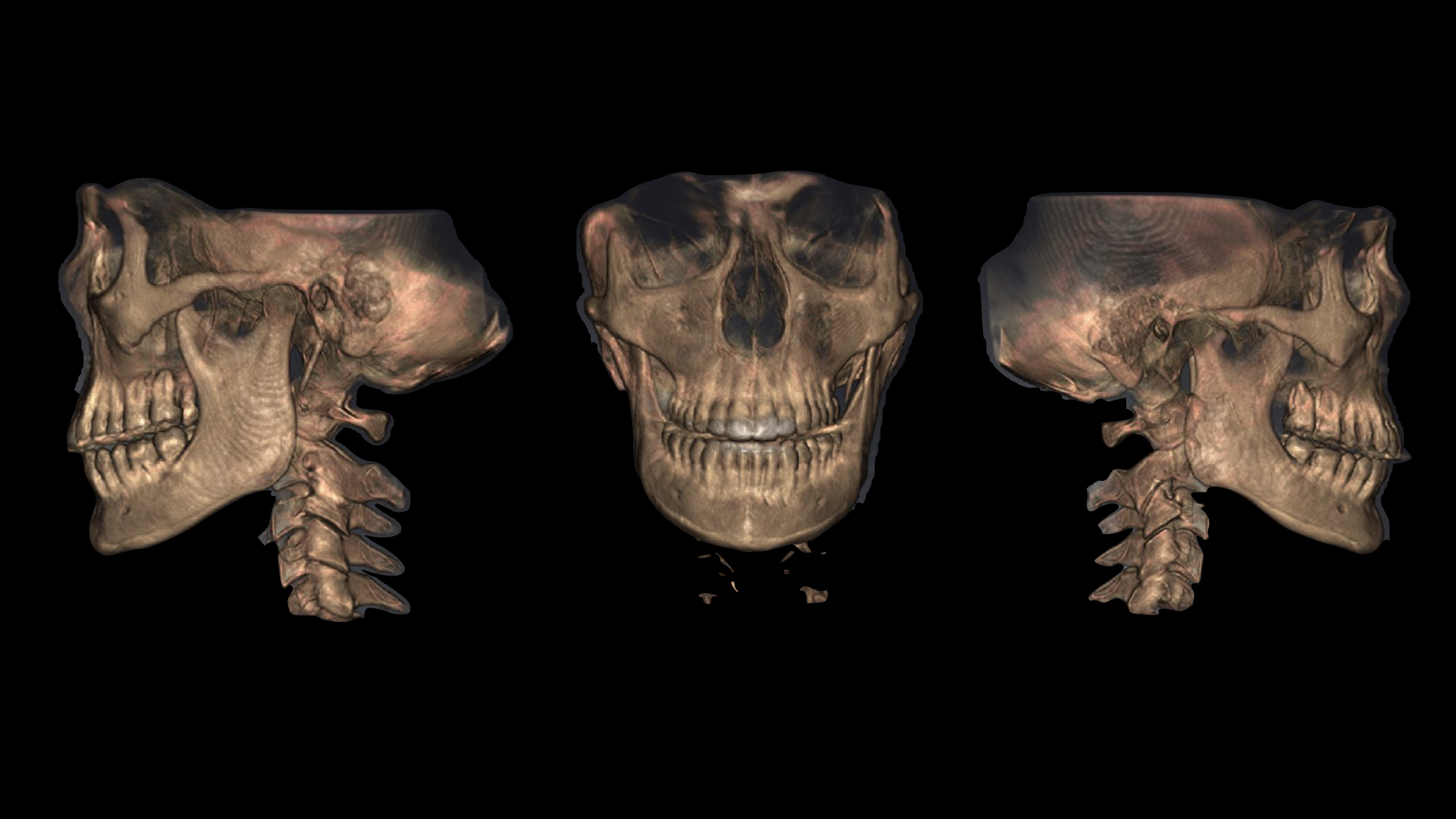
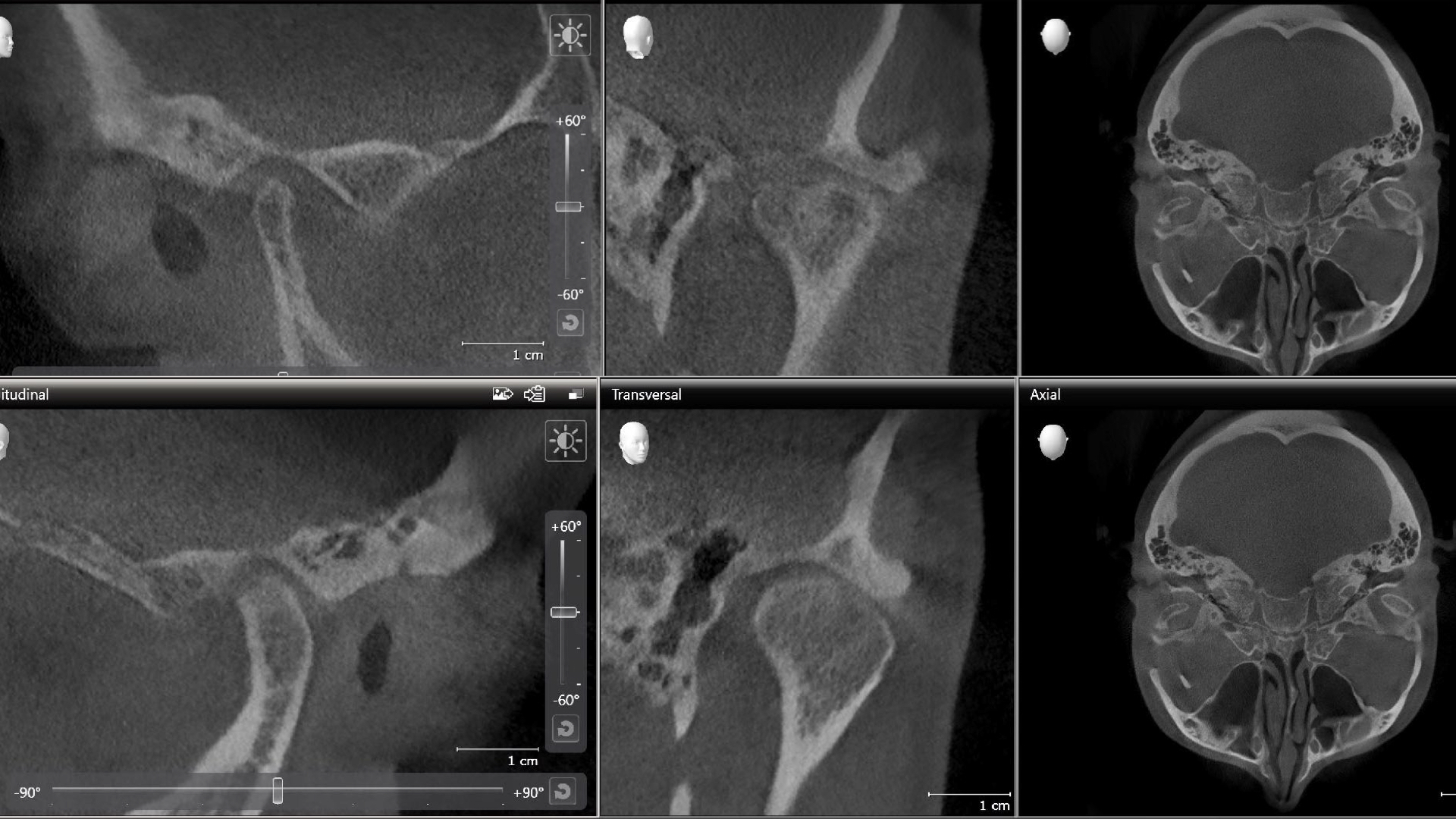
  • SUPPLEMENTARY TMJ INFORMATION

    Available imaging of the temporomandibular joints can be incorporated as supplementary information within the overall case assessment.

  • SUPPLEMENTARY ANATOMICAL INFORMATION

    Available 3D imaging can provide supplementary anatomical information for the evaluation of complex restorative cases.

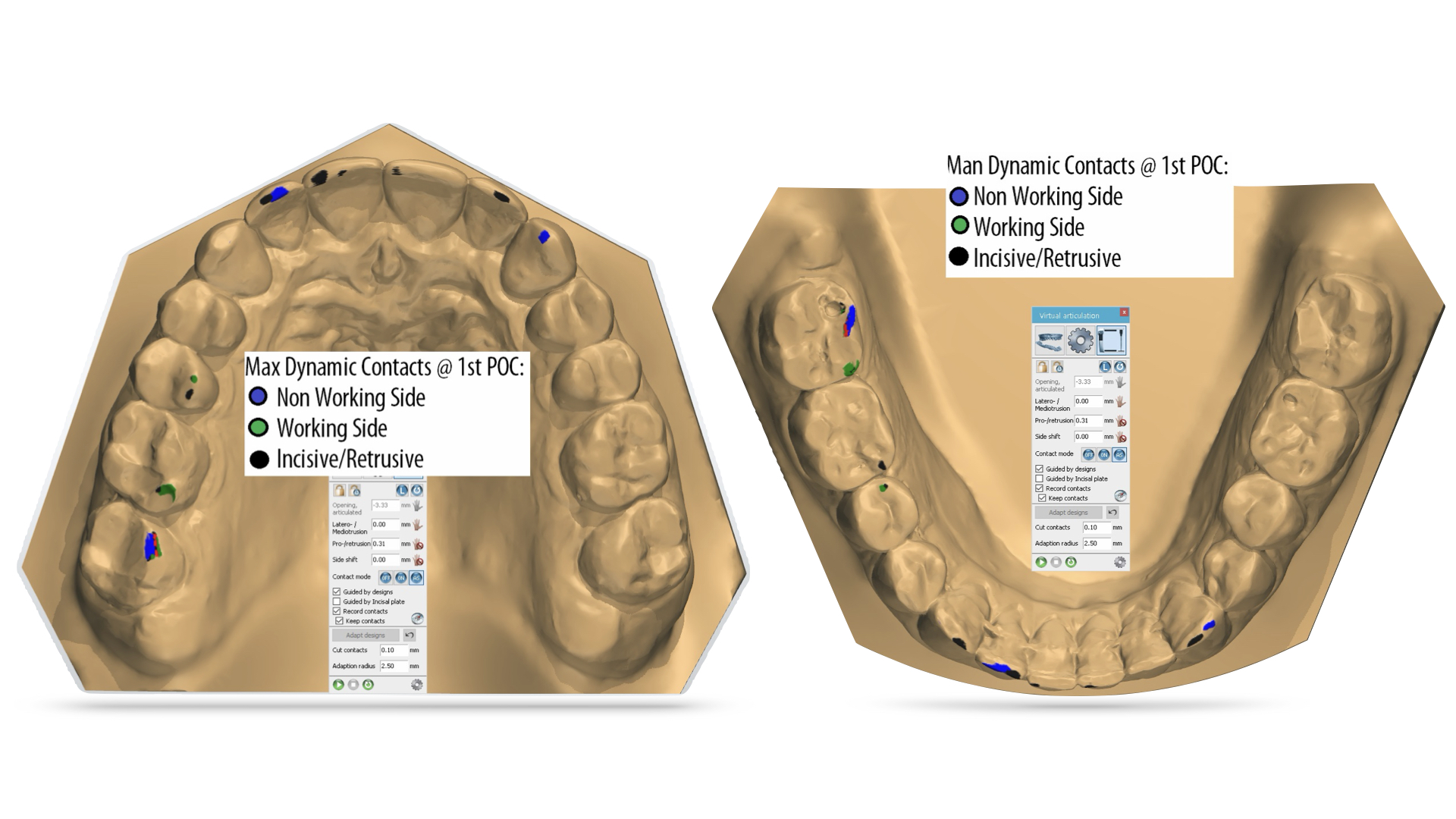
  • FUNCTIONAL INFORMATION

    The evaluation of dynamic interferences is a key component to understand dysfunctional chewing patterns

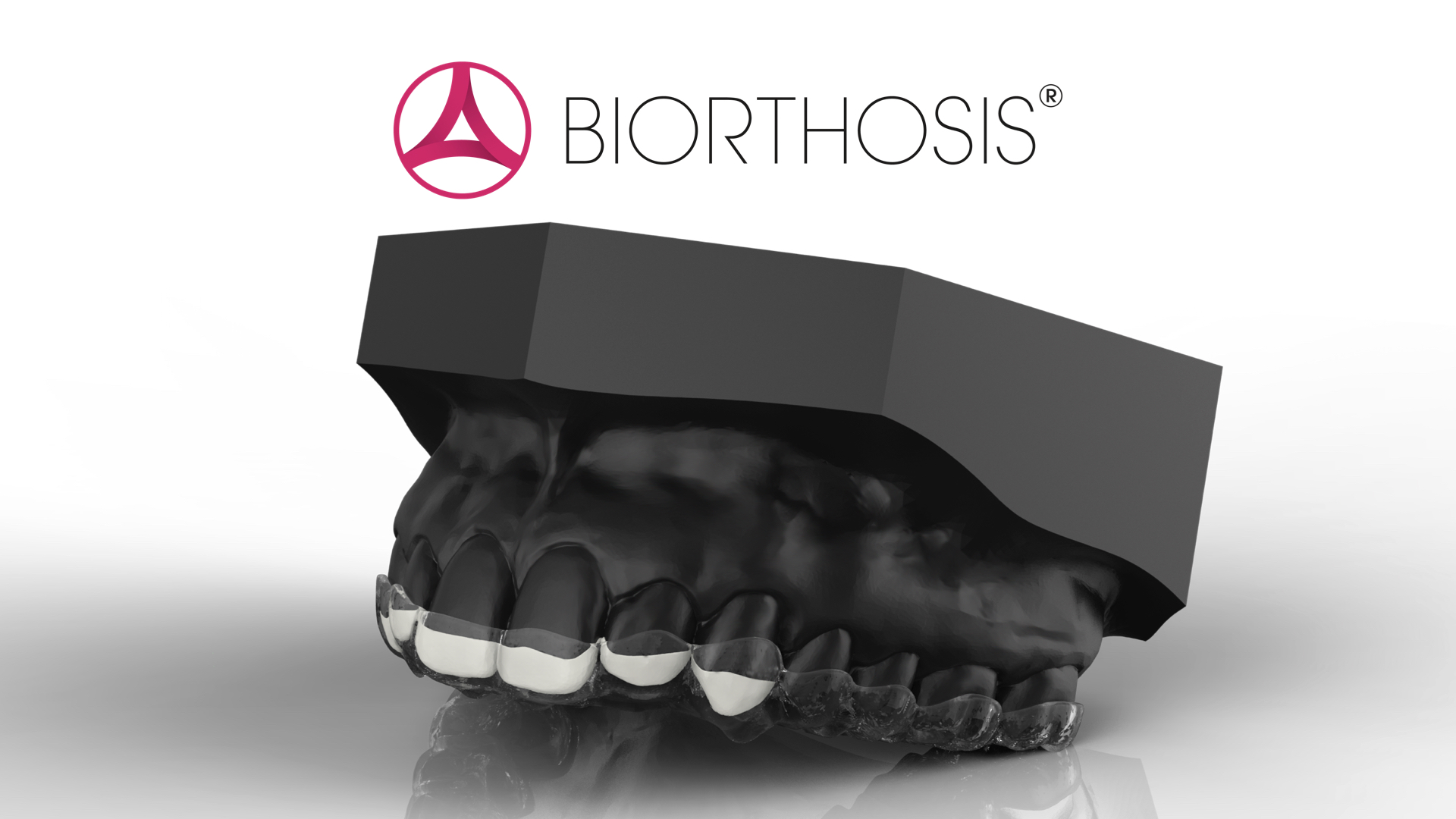
  • FUNCTIONAL OCCLUSAL DESIGN

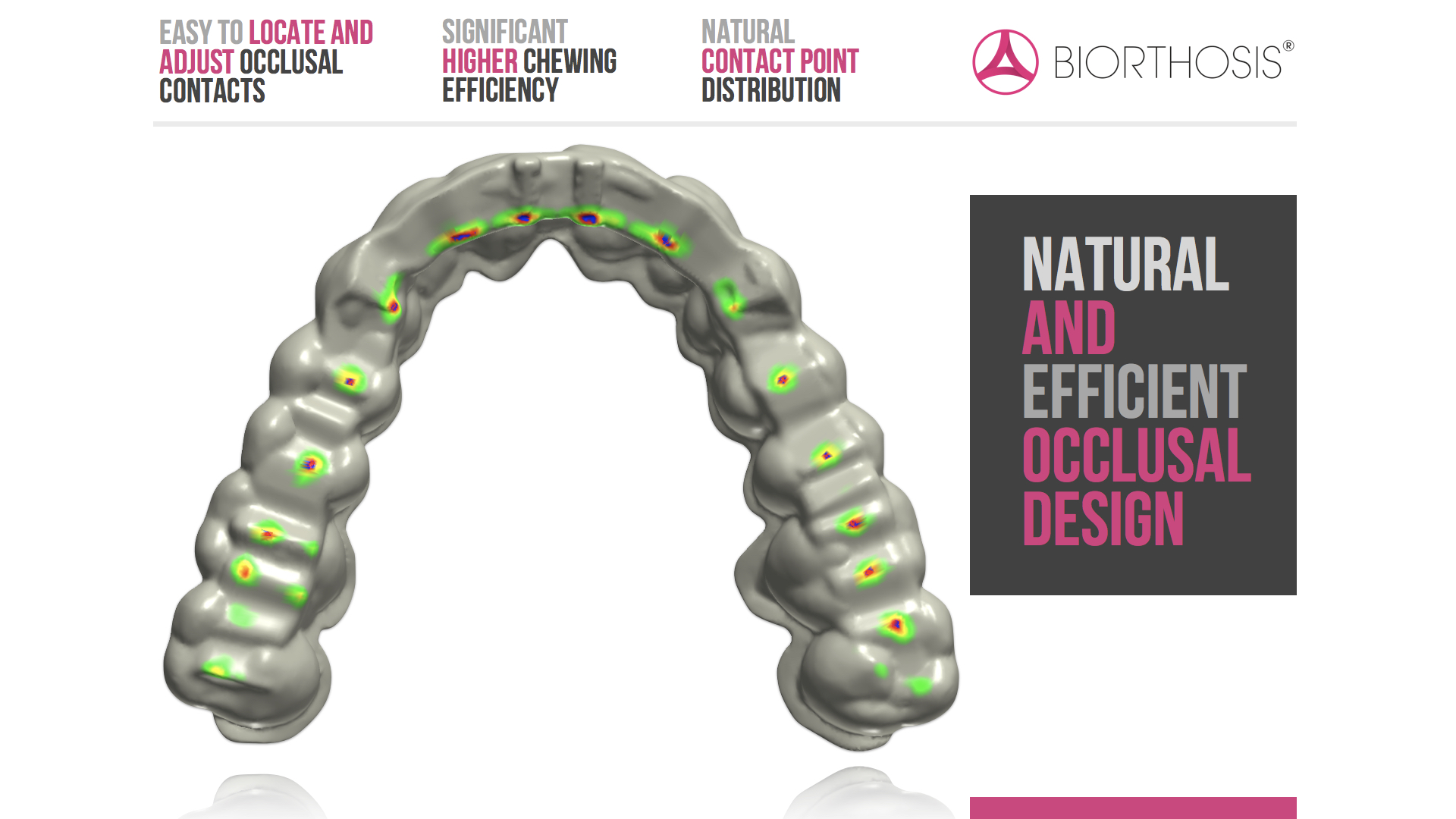
    BIORTHOSIS® incorporates individually designed occlusal contacts to provide a defined and reproducible functional relationship between the dental arches.

  • INDIVIDUALLY DESIGNED BIORTHOSIS®

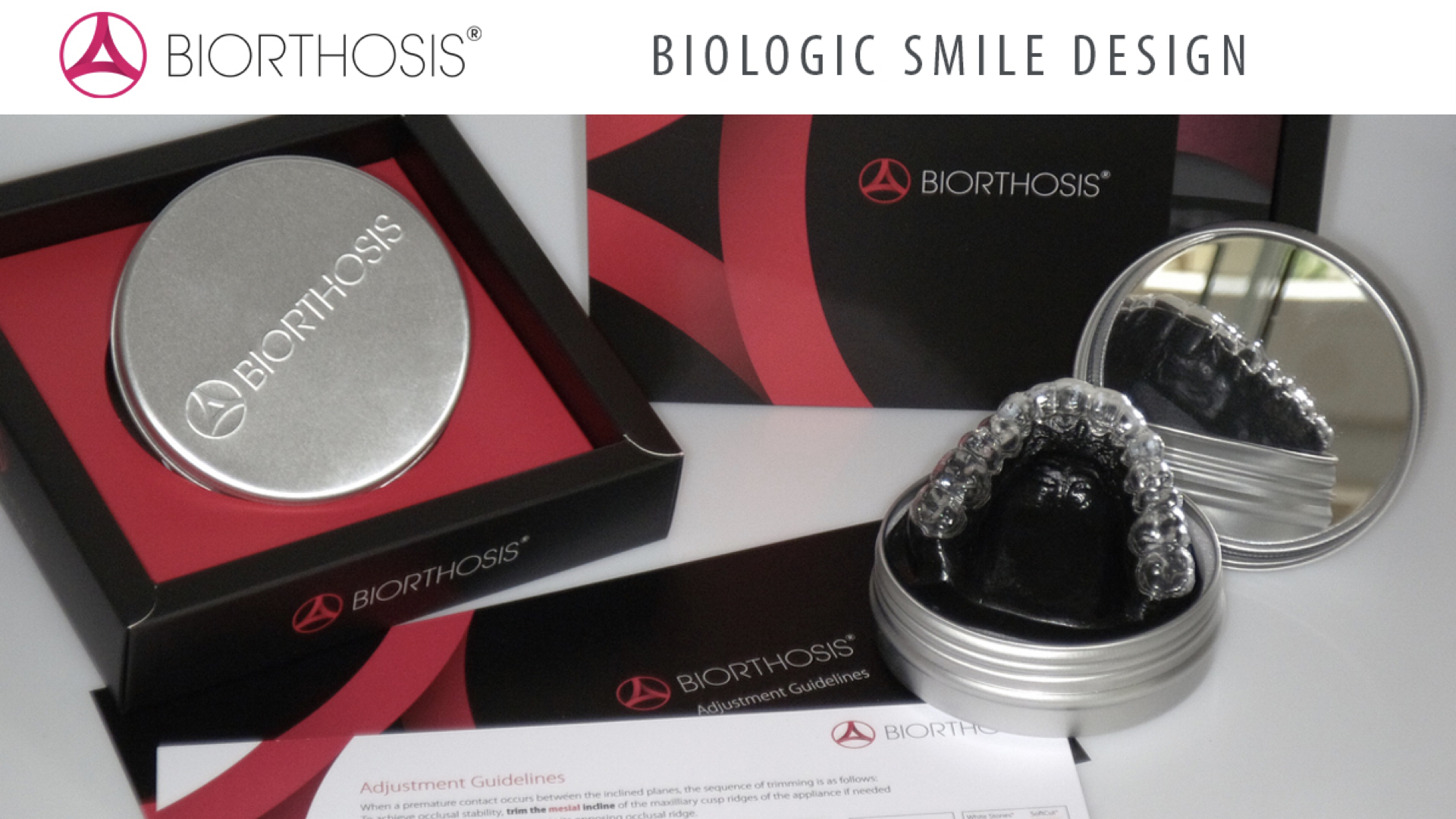
    Each BIORTHOSIS® is digitally designed and individually manufactured according to the patient’s jaw relation, dentition, and functional requirements.

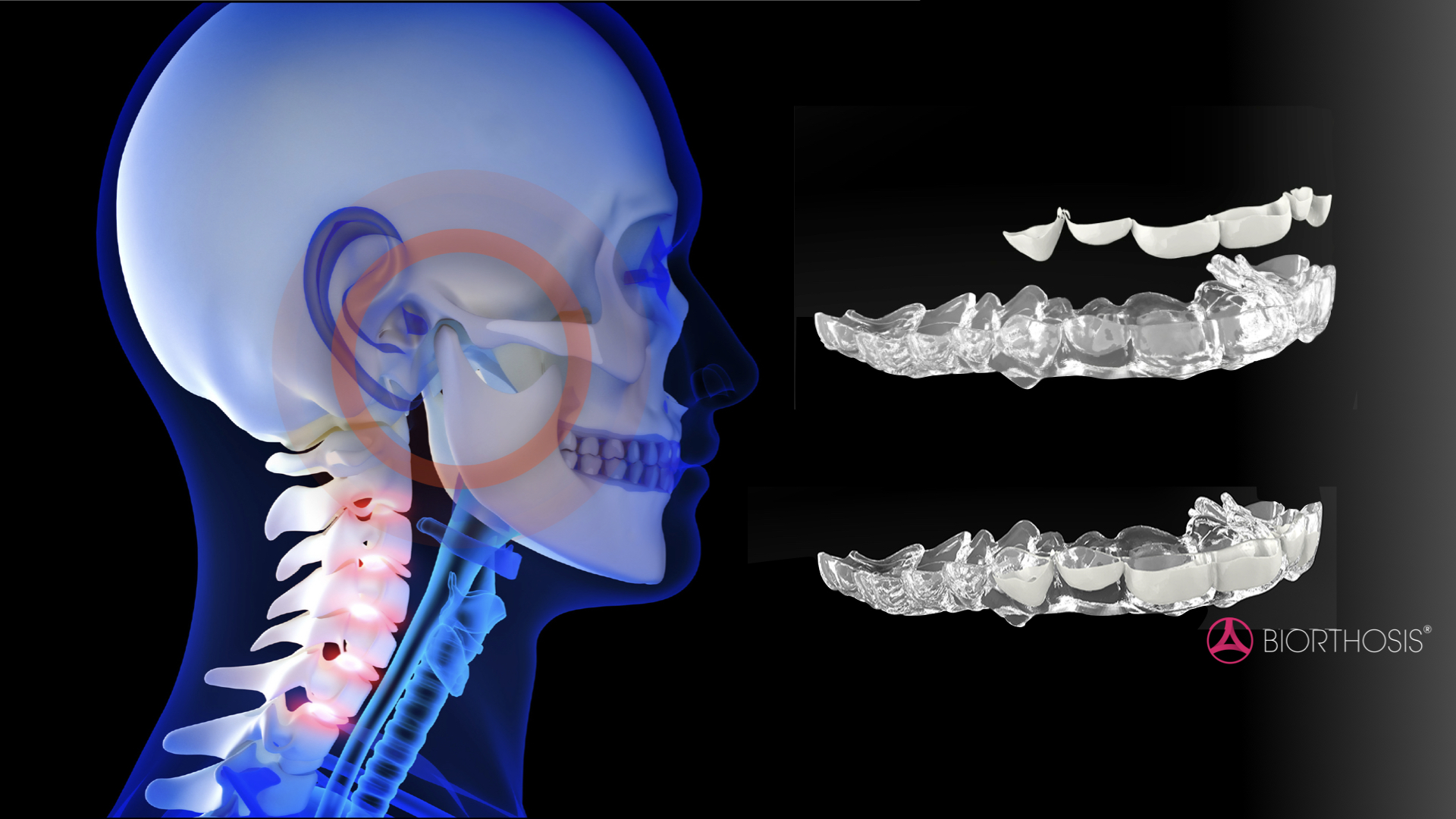
  • JOINT STABILIZATION

    BIORTHOSIS® integrates the functional relationship between the temporomandibular joints, masticatory muscles, and dentition as part of a clinically defined stabilization concept.

  • PRECISION MANUFACTURING

    Each BIORTHOSIS® is manufactured as an individual medical device and delivered with the information required for its clinical application and adjustment.

Joint Stabilization — BIORTHOSIS®

BIORTHOSIS® is an individually designed occlusal appliance developed for the stabilization of the masticatory system in the treatment of temporomandibular disorders (TMD).

Its biomechanical design integrates the functional relationships between the temporomandibular joints, masticatory muscles, and dentition. The appliance is digitally designed and manufactured according to the individual jaw relation and functional requirements of each case.

During treatment, the jaw relation is reevaluated and the BIORTHOSIS® is adapted accordingly until the defined treatment objective is reached.
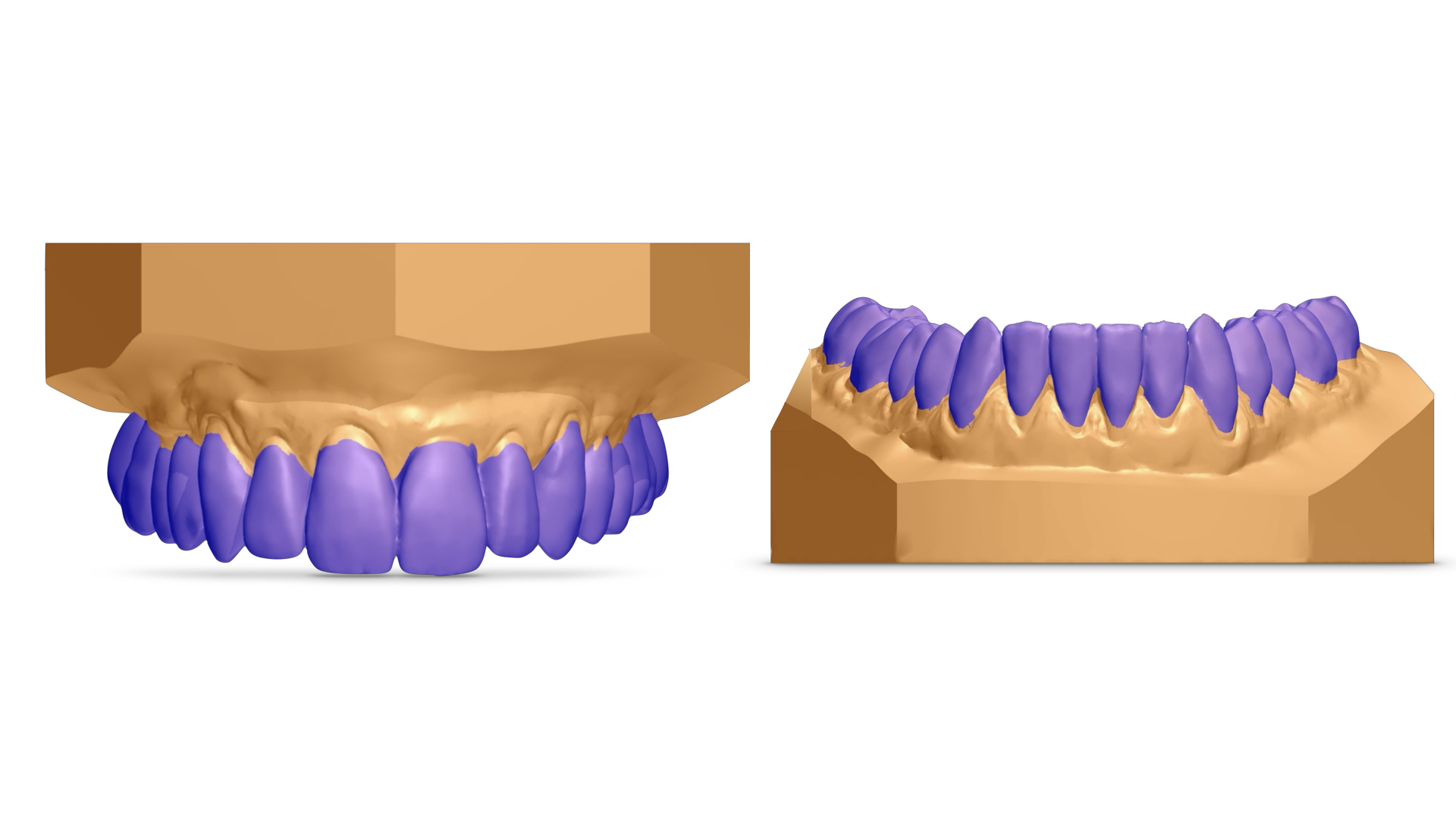
  • VIRTUAL MORPHOLOGY DEVELOPMENT

    Development of proposed dental morphology based on the available anatomical and functional conditions.

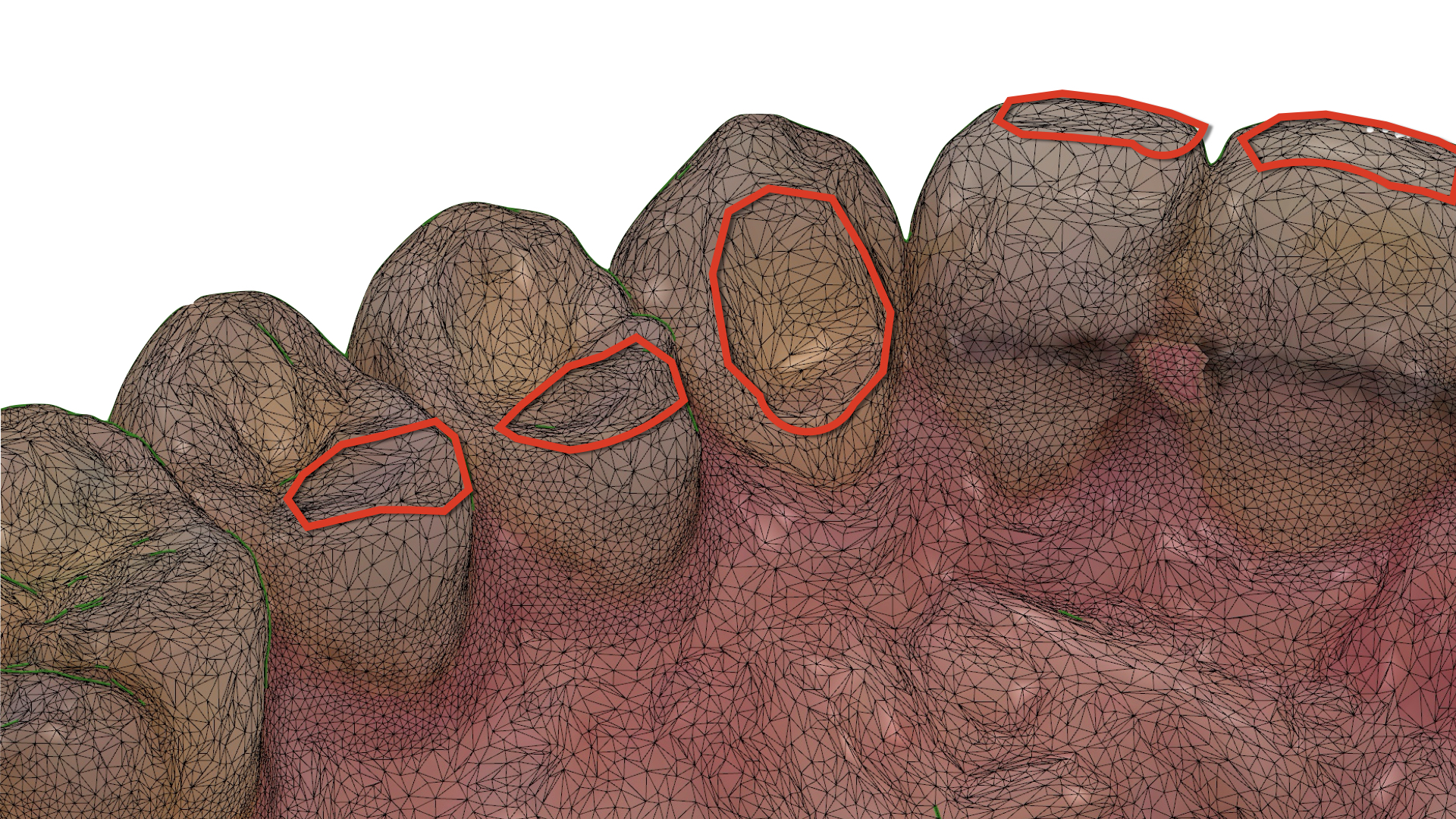
  • WEAR PATTERNS

    Identification and analysis of wear facets and morphological changes of the dental surfaces.

  • MORPHOLOGICAL POSITIONING

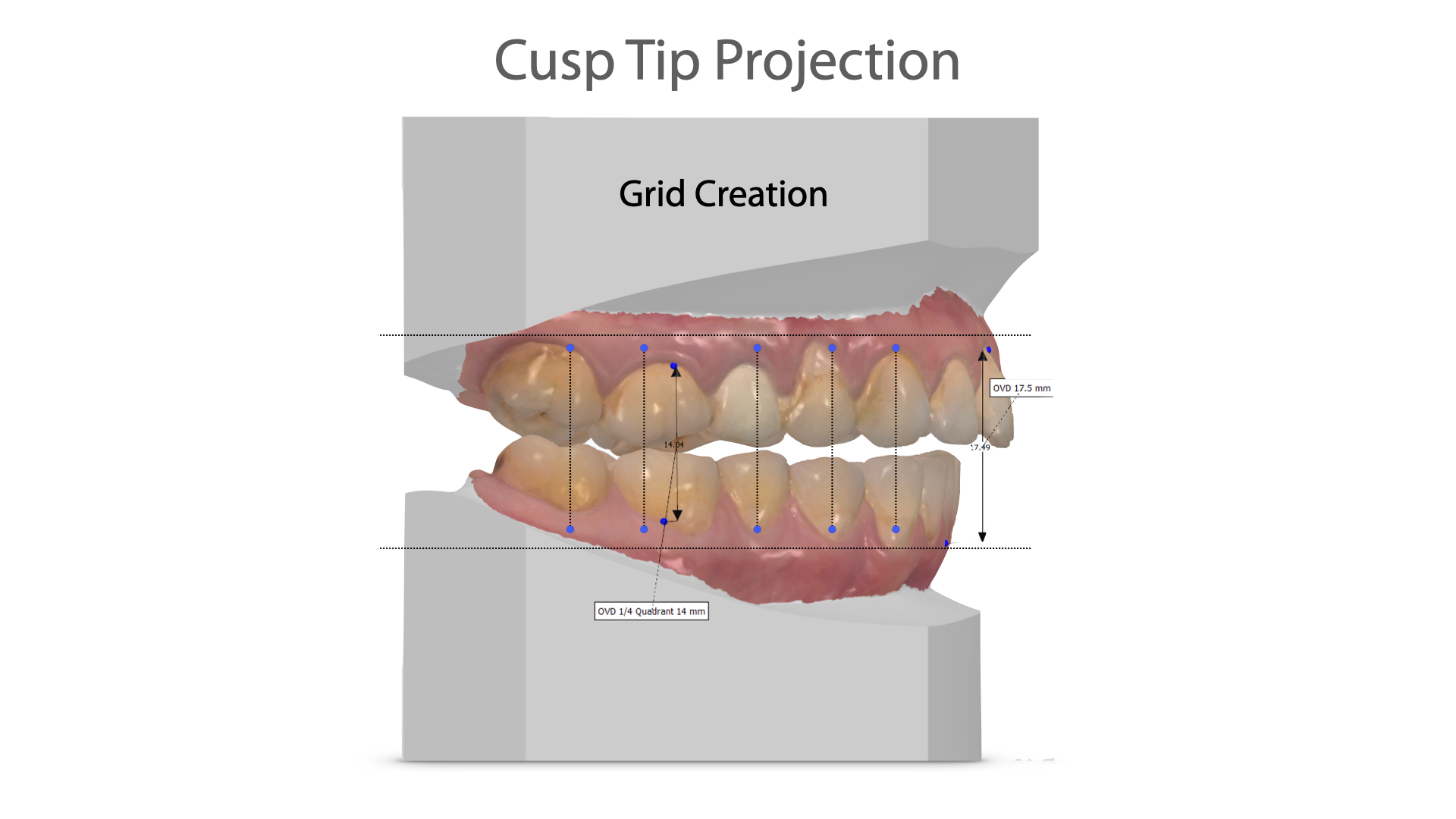
    Definition of spatial references for the position and development of the proposed dental morphology.

  • MORPHOLOGY AND FUNCTION

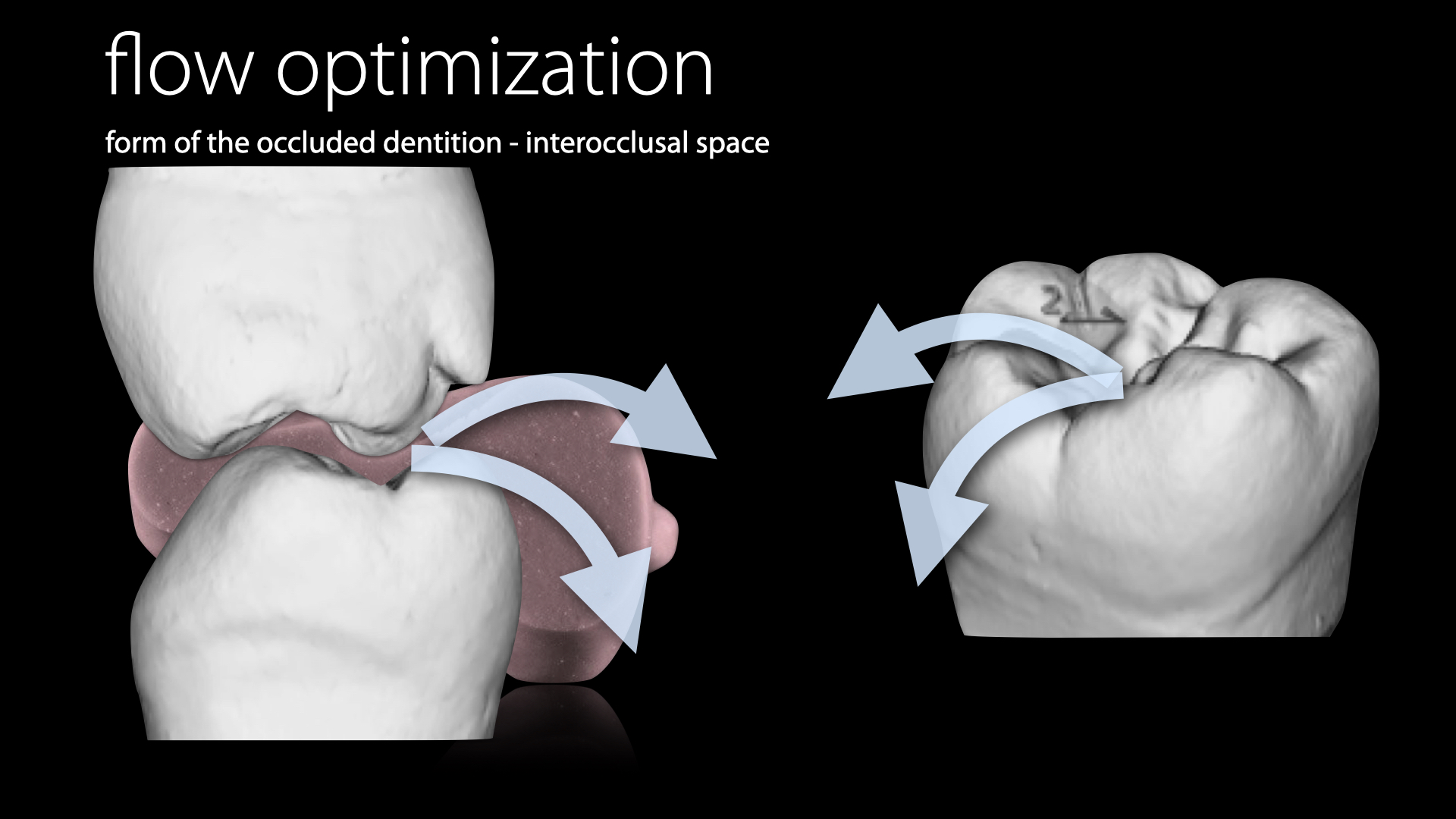
    Analysis of the relationship between dental morphology, displacement, and functional loading

Functional Analysis & BioMorphing

We analyze dental morphology, tooth position, wear patterns, occlusal relationships, and the spatial relationship between the maxillary and mandibular dentition. The analysis identifies the anatomical and functional conditions that define the individual requirements of the case.

Based on these findings, we apply principles of evolutionary design to the development of dental morphology. Available anatomical and functional information is used to define the spatial conditions for the proposed tooth morphology, including tooth position, interocclusal space, opposing morphology, and functional relationships.

The resulting morphology can be evaluated within the virtual treatment concept and translated into subsequent dental technical procedures.

Digital Orthodontics

We analyze tooth positions and occlusal relationships within and between the dental arches to develop virtual orthodontic treatment solutions. Treatment options integrate orthodontic and restorative approaches based on a stable condylar position.

Our portfolio of orthodontic workflows includes virtual treatment setups, aligner manufacturing, and digital indirect bonding. For fixed orthodontic treatment, bracket positions can be virtually planned and transferred to the patient using digitally designed transfer trays.

  • VIRTUAL MORPHOLOGY DEVELOPMENT

    Development of proposed dental morphology based on the available anatomical and functional conditions.

  • WEAR PATTERNS

    Identification and analysis of wear facets and morphological changes of the dental surfaces.

  • MORPHOLOGICAL POSITIONING

    Definition of spatial references for the position and development of the proposed dental morphology.

  • MORPHOLOGY AND FUNCTION

    Analysis of the relationship between dental morphology, displacement, and functional loading

  • VIRTUAL MORPHOLOGY DEVELOPMENT

    Development of proposed dental morphology based on the available anatomical and functional conditions.

  • WEAR PATTERNS

    Identification and analysis of wear facets and morphological changes of the dental surfaces.

  • MORPHOLOGICAL POSITIONING

    Definition of spatial references for the position and development of the proposed dental morphology.

  • MORPHOLOGY AND FUNCTION

    Analysis of the relationship between dental morphology, displacement, and functional loading

Digital Implantology

NATURAL ESTHETICS provides technical planning for implant-supported restorations within a digital workflow.

The intended restoration is incorporated into the planning process to define the relationship between tooth position, restorative space, implant position, and implant axis. Available anatomical and radiographic information can be integrated as supplementary data.

The resulting digital plan provides the basis for the design and fabrication of the implant-supported restoration.

THE HISTORY OF BITE APPLIANCES

Our story begins in 19th-century Vienna, Austria with the development of the first bite appliance.

Over more than a century, changing concepts, materials, and designs have shaped the evolution of bite appliances.

Each evolutionary stage reflects a different understanding of how bite appliances can influence the functional relationships within the masticatory system.

To follow this development from its early beginnings to the concepts that eventually led to the BIORTHOSIS®, read the article.