FUNCTION FOLLOWS FORM

We follow a non-invasive or minimally invasive treatment approach as the basis for all restorative planning. The objective is to preserve natural tooth structure wherever possible while restoring lost morphology and functional surfaces.

Depending on the existing conditions, this may involve non-invasive additive restorations without tooth preparation or minimally invasive procedures limited to the requirements of the selected restorative material.

Composite resins and dental ceramics provide different options for reconstructing tooth morphology. Material selection and restorative design are determined by the remaining tooth structure, available restorative space, required material thickness, functional loading, and esthetic requirements.
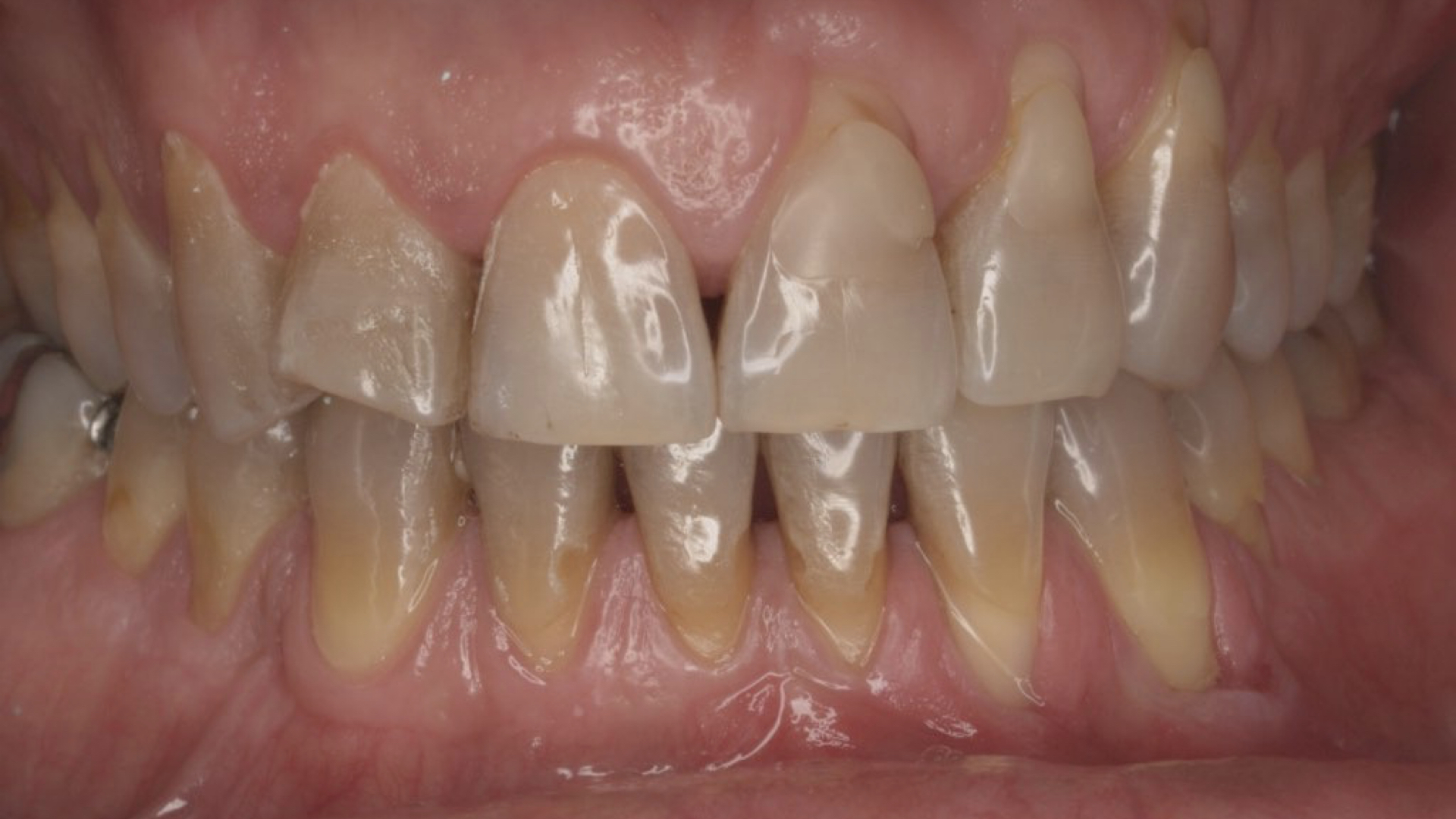
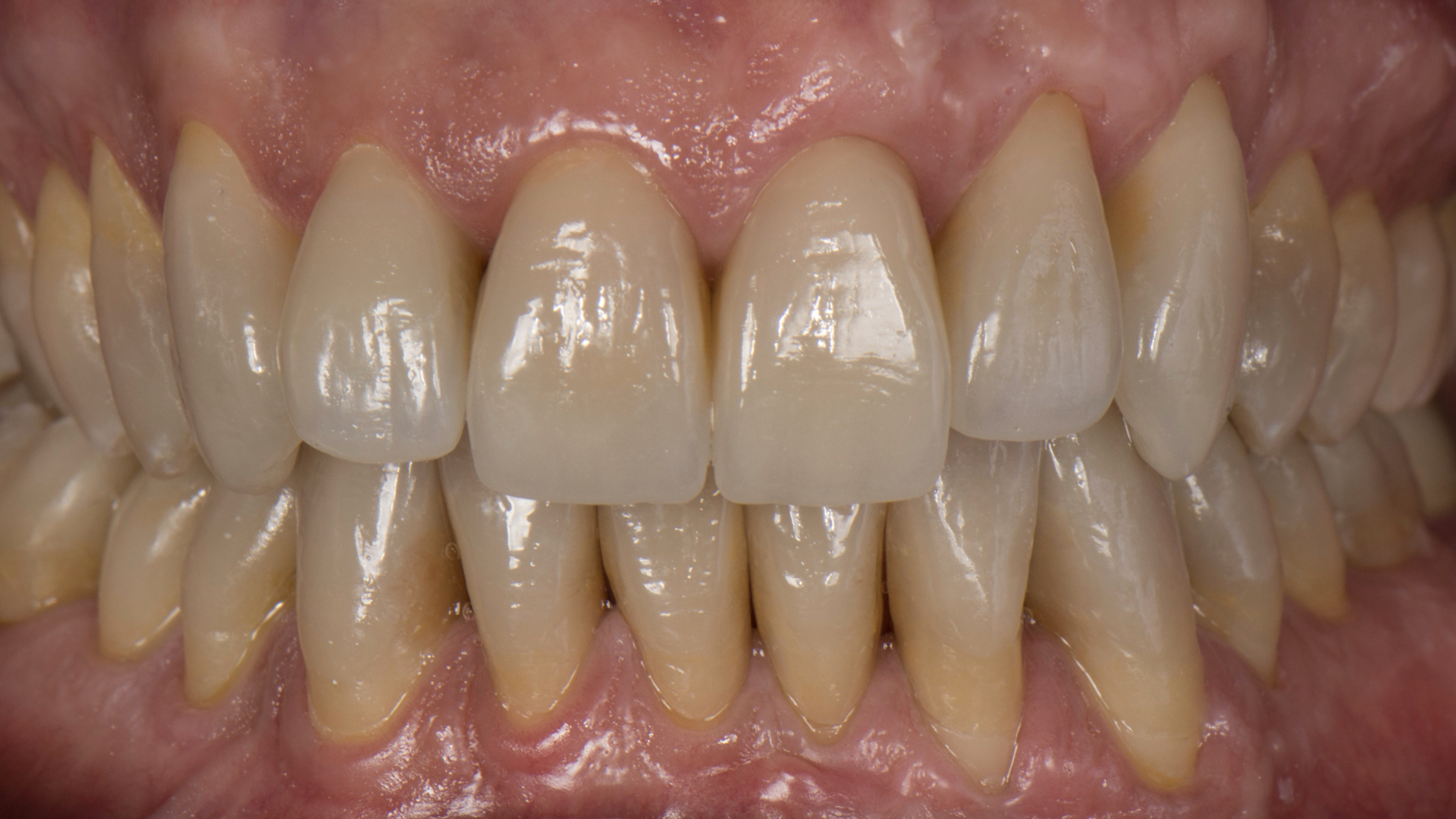
  • SEVERE DAMAGE / LOSS OF HARD TISSUE

  • COMPREHENSIVE RESTORATIVE REHABILITATION

01 — RESTORATIVE REQUIREMENTS

Restorative requirements are determined by the amount of remaining tooth structure, the extent of morphological changes, and the available restorative space.

Tooth wear, structural defects, missing teeth, and changes in vertical dimension require individual consideration. The assessment includes the extent of tissue loss, existing restorations, tooth position, and the structural conditions relevant to the planned reconstruction.

02 — MORPHOLOGICAL DESIGN

Digital wax-ups and CAD-based design procedures are used to develop the intended morphology of individual teeth and complete dental arches.

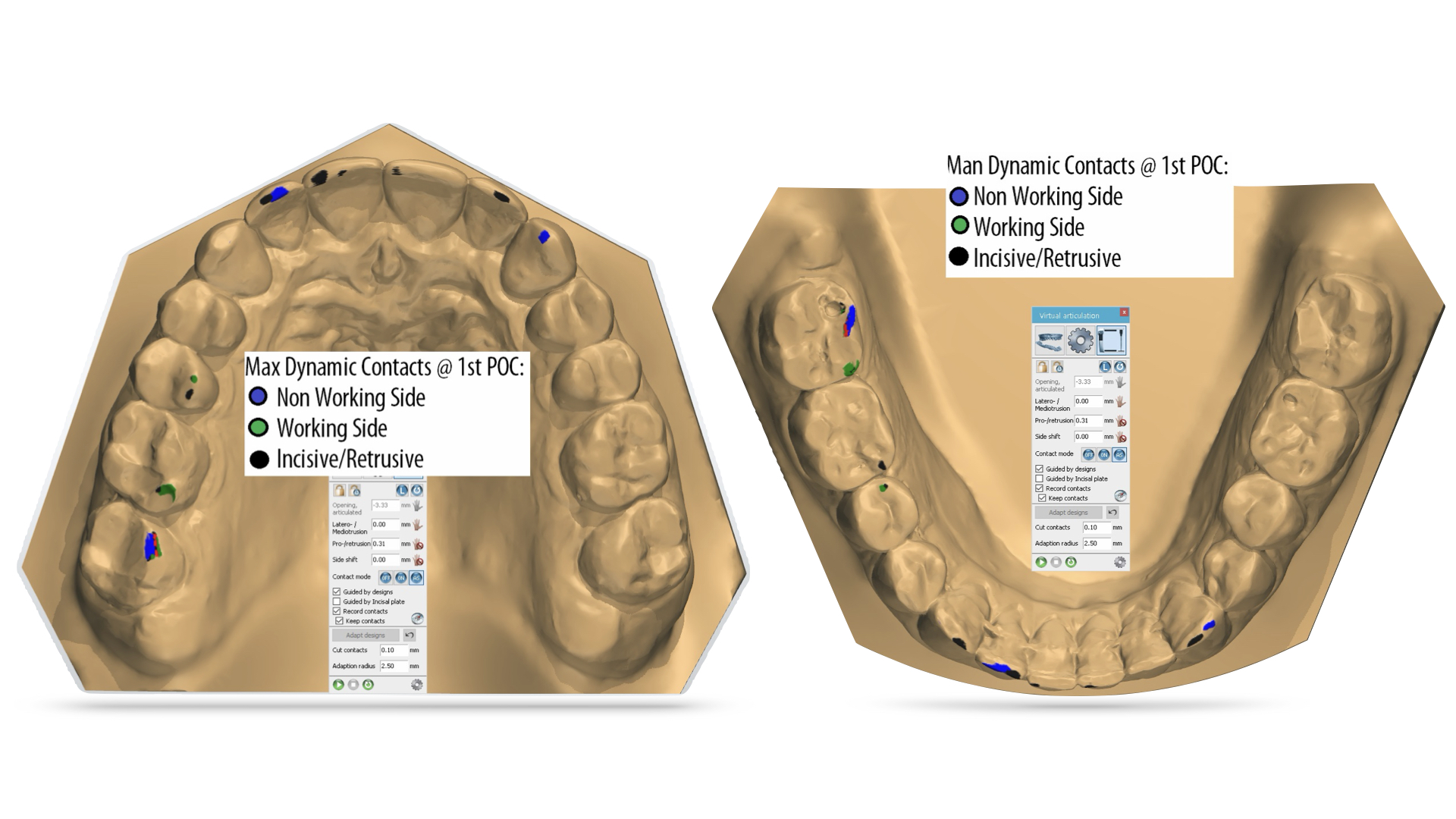
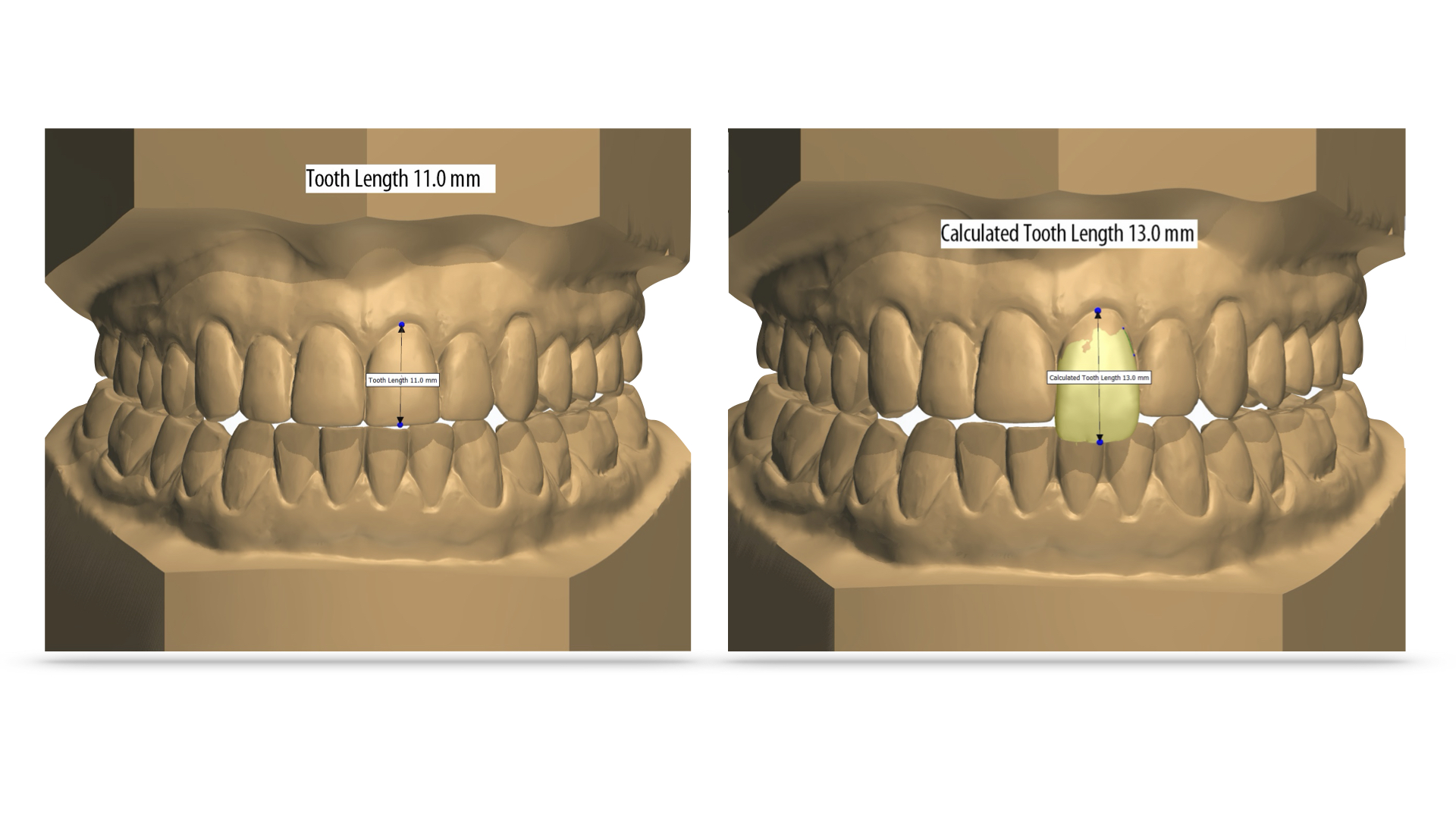
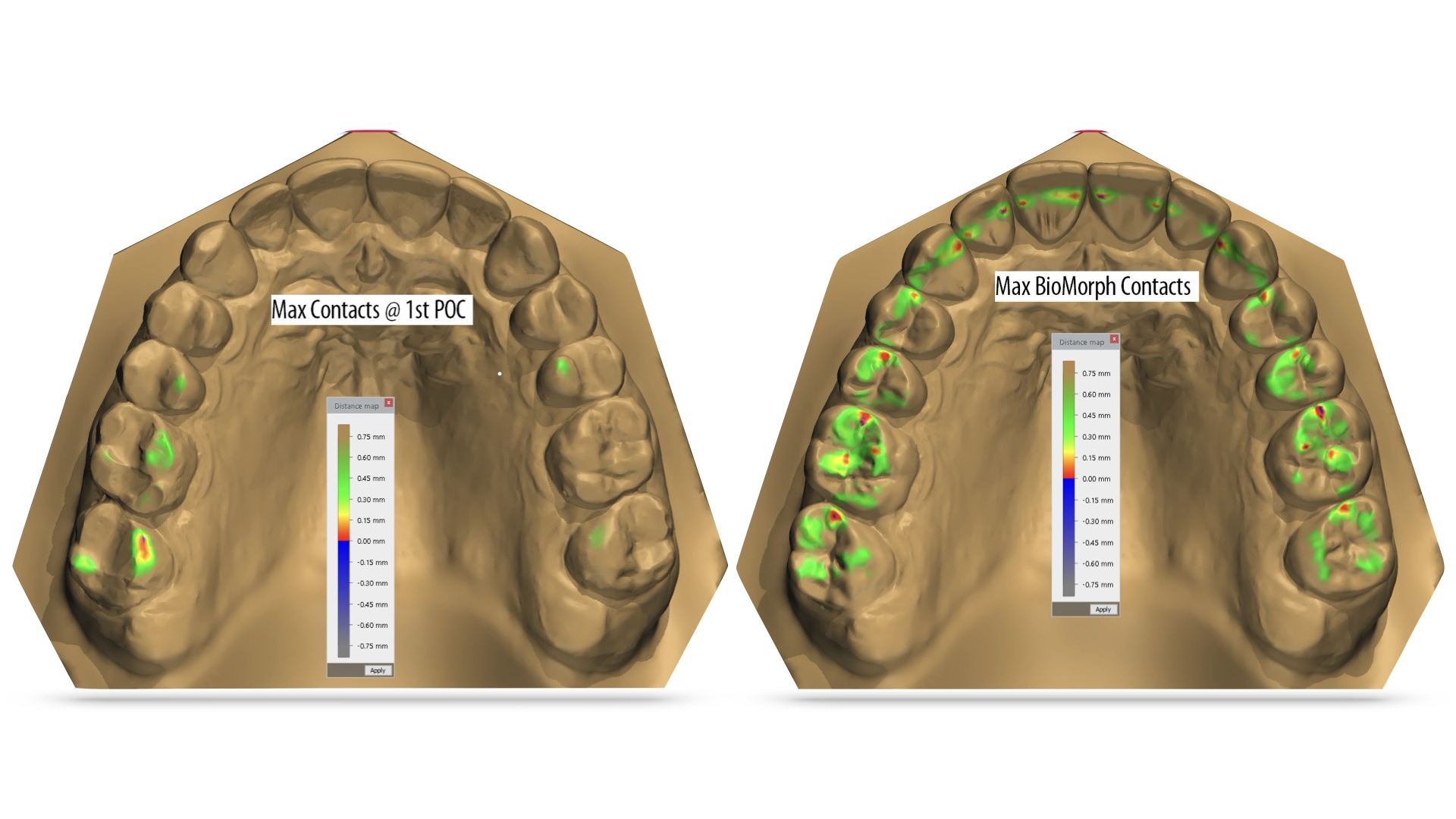
BioMorphing provides the morphological reference for reconstructing lost or altered tooth structures. The design incorporates individual tooth proportions, cusp and fossa geometry, marginal ridges, occlusal contact areas, and anterior guiding surfaces.

The resulting digital morphology defines the anatomical and functional parameters for the design and fabrication of provisional and definitive restorations.

03 — PROVISIONAL RESTORATIONS

Provisional restorations are fabricated based on the established digital morphology and transferred into the clinical environment.

They allow the planned tooth proportions, occlusal contacts, anterior guidance, and vertical dimension to be evaluated under functional conditions before definitive restoration.

Any adjustments made during this phase can be documented and incorporated into the final restorative design, providing a clinically verified morphological reference for the fabrication of definitive restorations.

04 — DEFINITIVE RESTORATIONS

Definitive restorations are designed and fabricated based on the established morphological parameters and the results of clinical evaluation.

The restorative design incorporates the defined tooth proportions, occlusal anatomy, contact relationships, and anterior guiding surfaces. Where provisional restorations have been used, their clinically verified morphology serves as the reference for definitive fabrication.

Depending on the individual requirements, restorations may include veneers, inlays, onlays, crowns, bridges, and implant-supported restorations. Material selection and manufacturing procedures are determined by the restorative indication, structural requirements, and intended function.