Evolutionary Design and BioMorphing
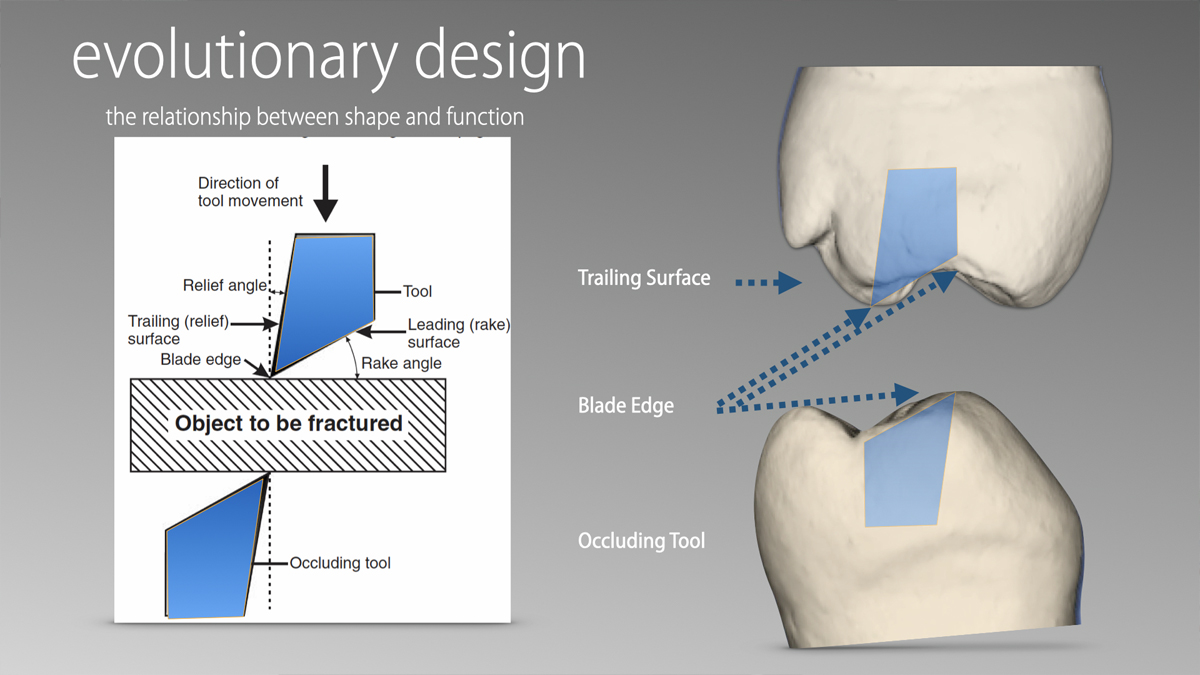
Evolutionary design is based on a principle also found in bionics: biological structures can serve as models for technical solutions because their form has developed in response to functional demands. A familiar example is the winglet of an aircraft. Inspired by the way birds control airflow at their wingtips, its geometry reduces aerodynamic drag and improves efficiency. The biological model is not simply copied; the underlying functional principle is understood and translated into an engineered solution.
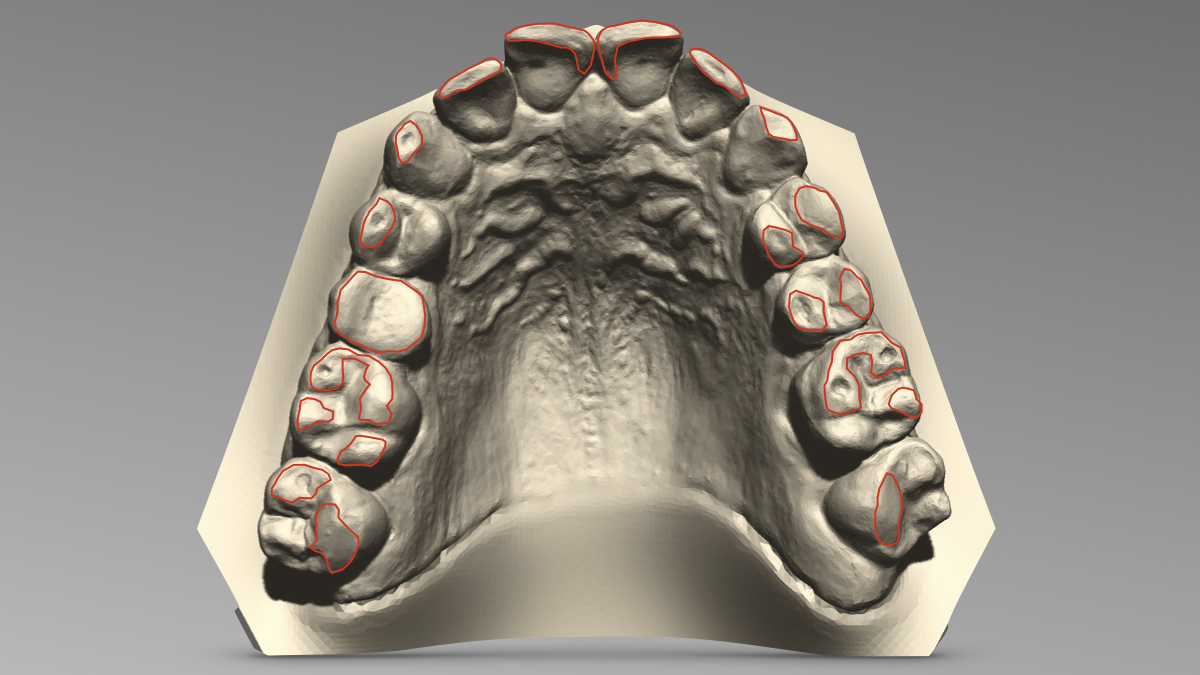
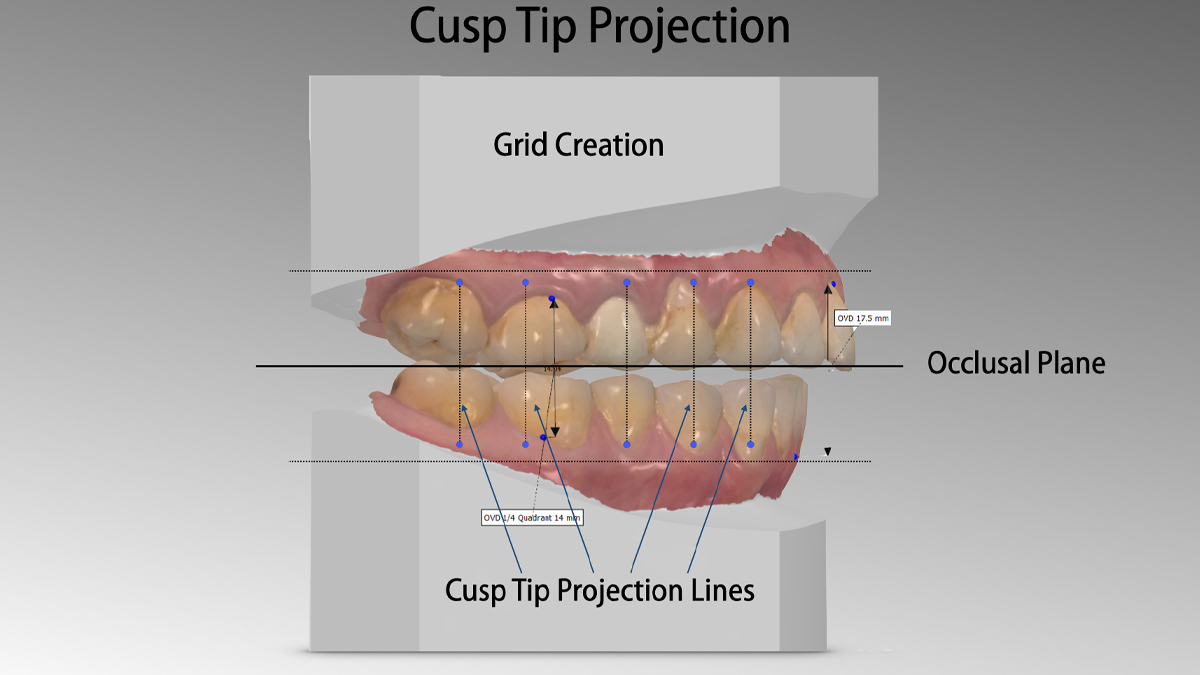
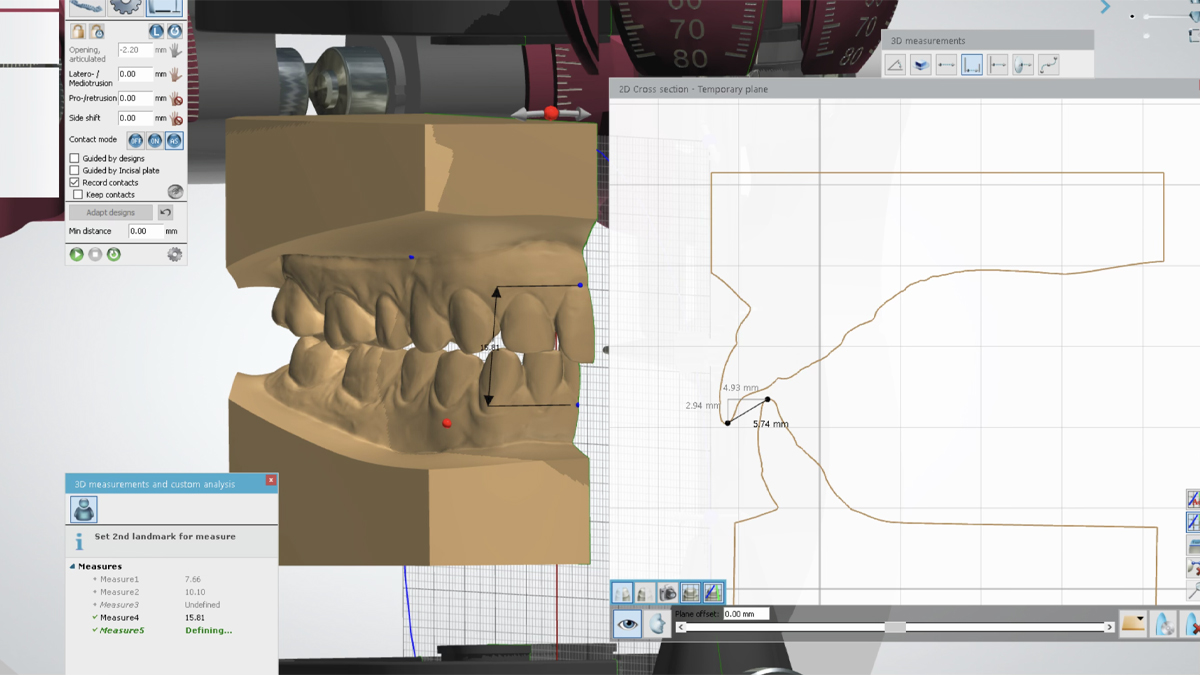
This principle is closely related to biomedical engineering, where biological knowledge and engineering methods are combined to analyze, design, or restore structures that interact with the human body. Applied to the masticatory system, this means that dental morphology is not regarded as an isolated shape. Tooth position, cusps, fossae, ridges, and guiding surfaces are considered in relation to the functional environment in which they operate.
We call this approach BioMorphing: bio refers to the biological model and its functional principles, while morphing describes the controlled development of morphology within the individual anatomical and functional conditions of the patient. The objective is therefore not to copy a predefined tooth shape, but to develop form from the biological and functional requirements of the individual system.