• ORTHODONTICS

FUNCTIONAL ORTHODONTICS WITHIN AN INTEGRATED TREATMENT CONCEPT

Orthodontic treatment at NATURAL ESTHETICS is based on the functional relationships of the masticatory system rather than tooth position alone.

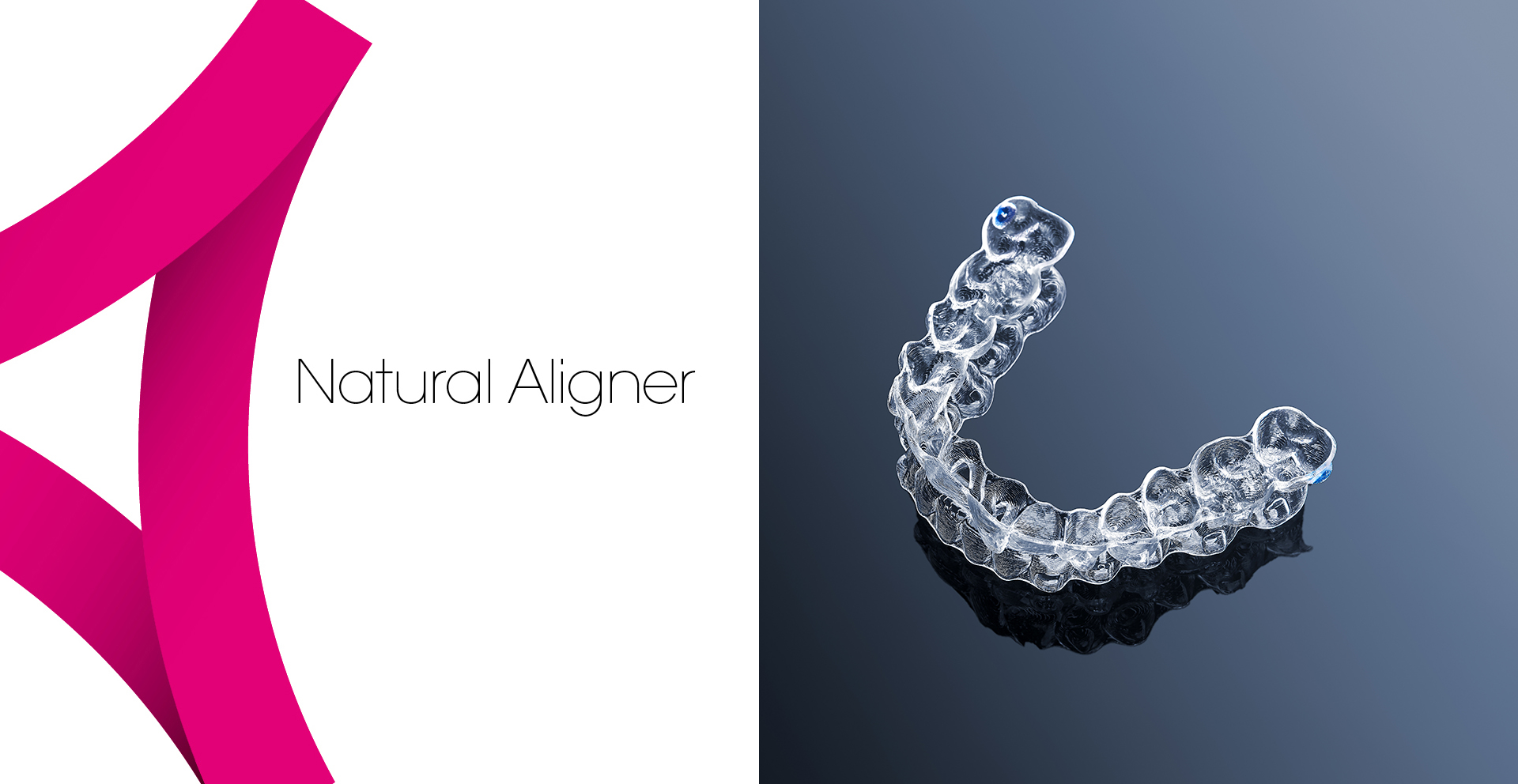
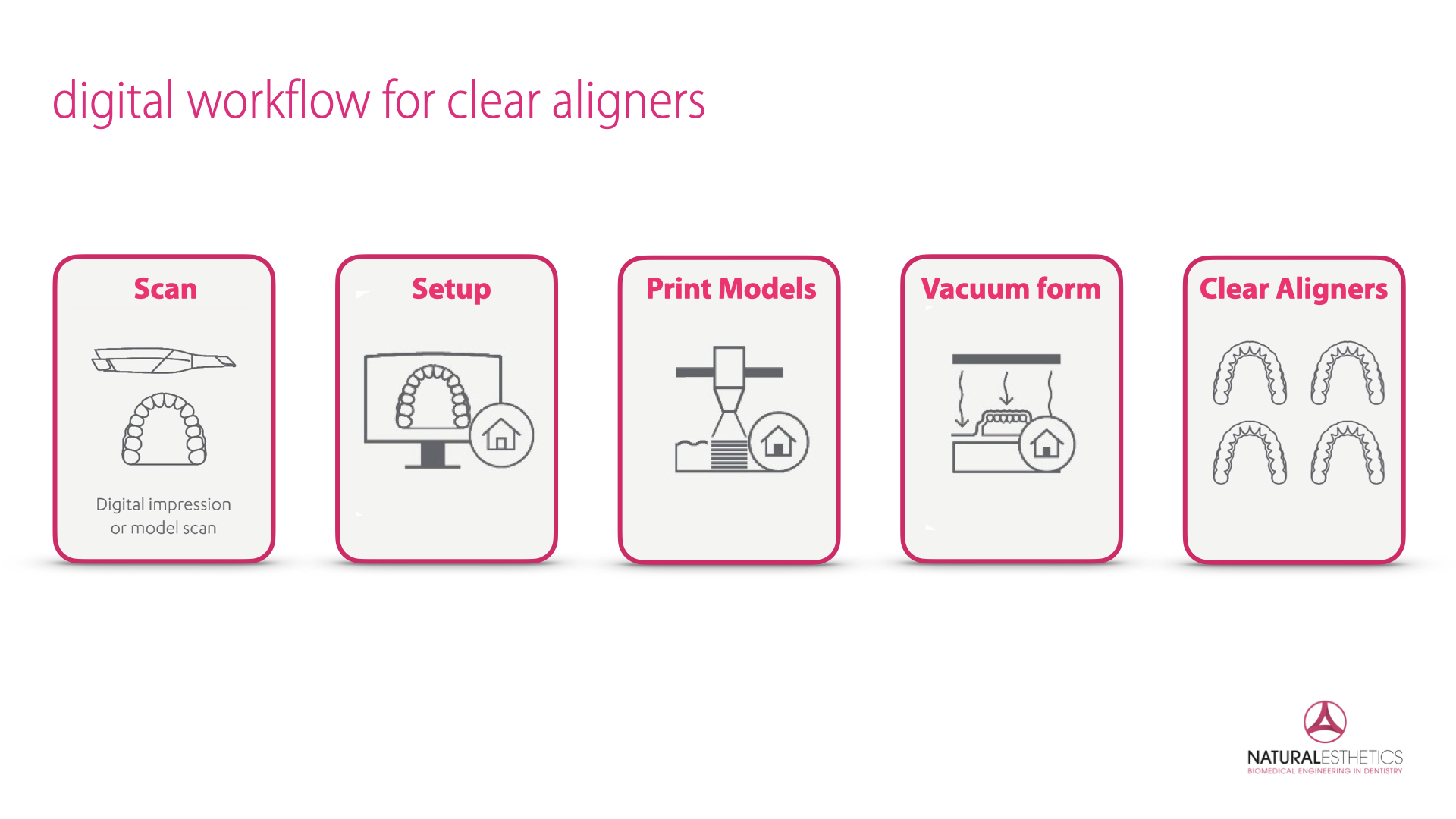
Stable condylar position, anterior guidance, tooth morphology, occlusal relationships, and restorative requirements are considered together when defining the intended treatment outcome. This integrated approach forms the basis for NATURALIGNER® and our digital orthodontic workflows.
THE FUNCTIONAL STARTING POINT

Tooth position cannot be evaluated independently from the functional environment in which the teeth operate. Our orthodontic analysis therefore begins with a defined and stable condylar position and considers the relationship between tooth position, anterior guidance, posterior occlusion, and the individual morphology of the dentition.

Bioesthetic principles provide the framework for evaluating these relationships and defining a functional treatment objective before orthodontic tooth movement is planned.

STABLE CONDYLAR POSITION

FUNCTIONAL ANALYSIS

ANTERIOR GUIDANCE + OCCLUSAL RELATIONSHIPS

ORTHODONTIC TREATMENT OBJECTIVE

ORTHODONTIC OR RESTORATIVE?

Not every morphological or functional problem can be corrected by just changing tooth position.

Wear, loss of tooth structure, altered functional surfaces, or insufficient tooth morphology may require additional restorative correction. Moving these teeth without first considering the missing morphology can change the biomechanical conditions under which orthodontic forces are applied.

Our analysis therefore distinguishes between changes that should be achieved through orthodontic tooth movement and those that require restorative reconstruction.

ORTHODONTIC

Position
Inclination
Rotation
Arch relationship
Space

RESTORATIVE

Lost morphology
Worn functional surfaces
Anterior guidance
Tooth proportions
Restorative volume

The treatment plan is developed from the combination of orthodontic movement and restorative requirements rather than considering either discipline in isolation

BIOMORPHING IN ORTHODONTIC PLANNING

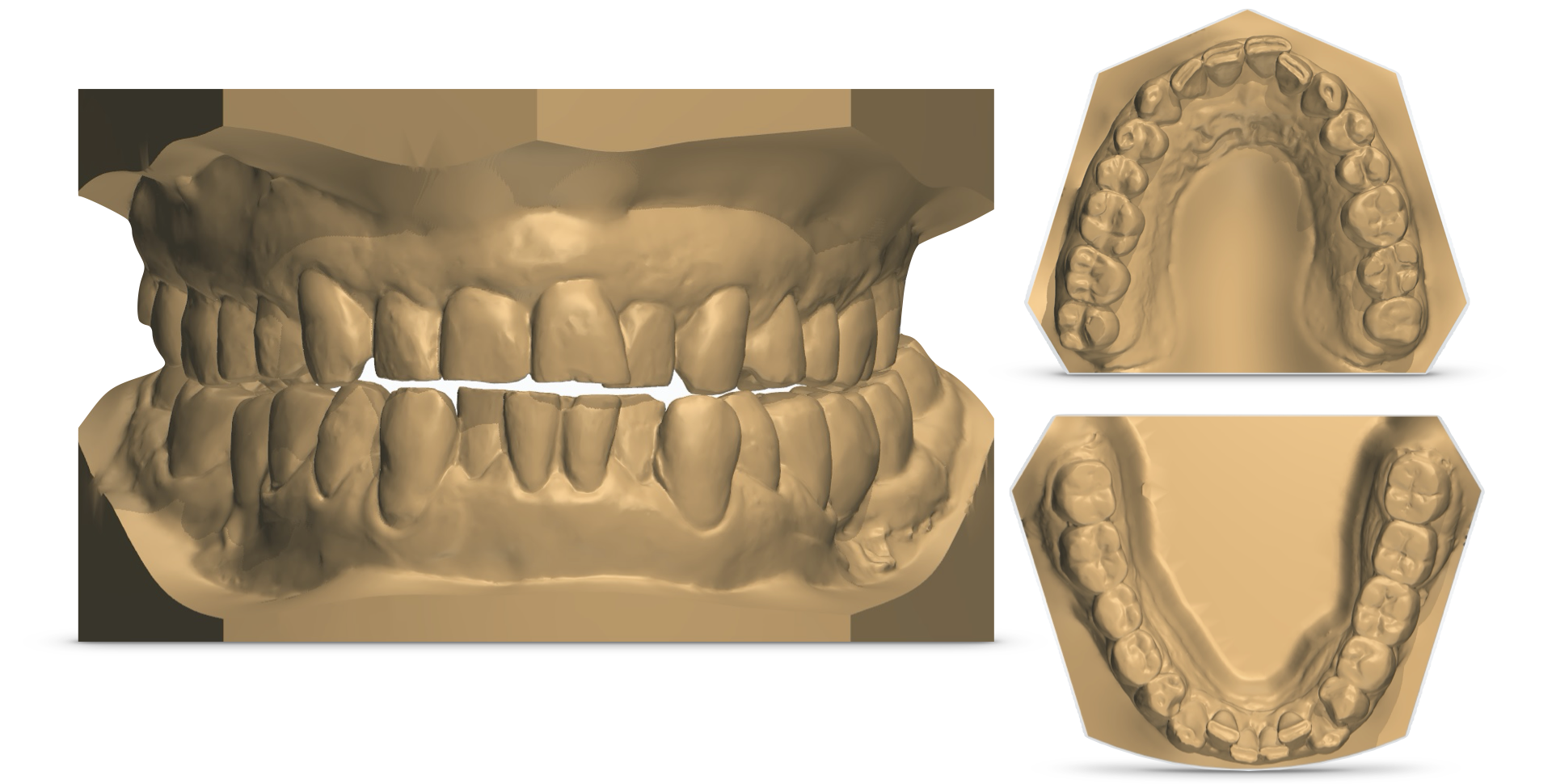
BioMorphing can be used to evaluate morphology that has been altered or lost through wear before orthodontic treatment is planned.

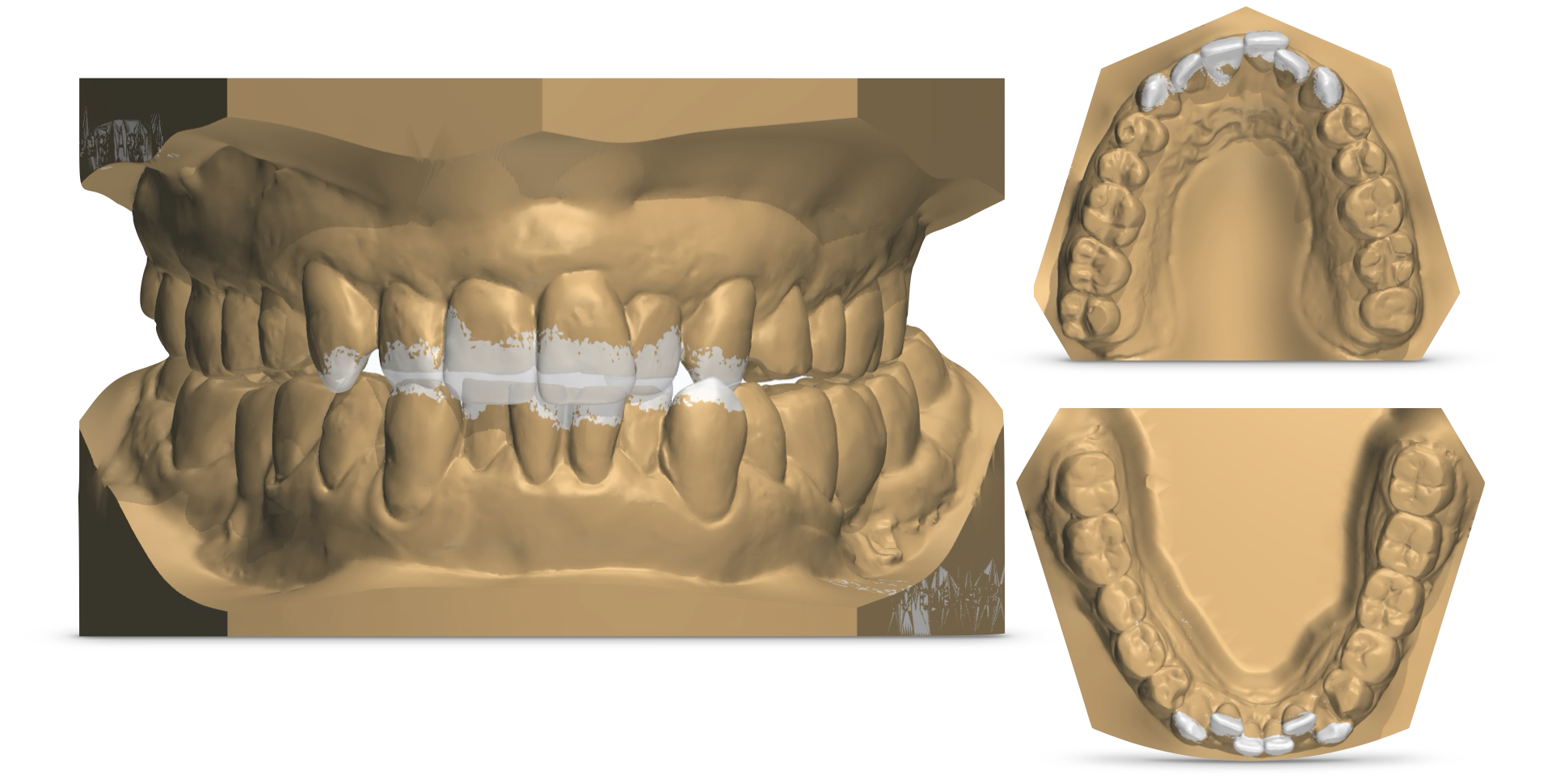
Where required, functional surfaces can be virtually reconstructed to establish the morphology that should be considered in the orthodontic setup. In selected cases, these changes may also be transferred restoratively before tooth movement using composite or ceramic restorations.

The orthodontic setup can therefore be developed in relation to the intended morphology rather than solely from the existing, potentially compromised tooth form.

  • 01 EXISTING CONDITION

    Loss of hard tissue makes it difficult to project teeth movements correctly

  • 02 BIOMORPHING / RESTORATIVE CORRECTION

    Changing tooth morphology before orthodontic movement can alter the points of force application and the resulting biomechanical conditions for moving the tooth toward its intended position.

RESTORATIVE POTENTIAL VS ORTHODONTIC TREATMENT

Loss of tooth structure and changes in functional morphology cannot always be corrected through orthodontic tooth movement. Restorative analysis identifies missing morphology, worn functional surfaces, and alterations in anterior guidance, tooth proportions, and restorative volume that may require reconstruction with composite or ceramic materials.

  • 01 EXISTING CONDITION

    Loss of hard tissue makes it difficult to project teeth movements correctly

  • 02 BIOMORPHING / RESTORATIVE CORRECTION

    Changing tooth morphology before orthodontic movement can alter the points of force application and the resulting biomechanical conditions for moving the tooth toward its intended position.

INTEGRATED TREATMENT PLAN

The integrated treatment plan combines orthodontic tooth movement with the reconstruction of lost morphology and worn functional surfaces. Anterior guidance, tooth proportions, and restorative volume are considered together to define the intended functional relationships and determine the sequence of orthodontic and restorative procedures.

  • 01 EXISTING CONDITION

    Loss of hard tissue makes it difficult to project teeth movements correctly

  • 02 BIOMORPHING / RESTORATIVE CORRECTION

    Changing tooth morphology before orthodontic movement can alter the points of force application and the resulting biomechanical conditions for moving the tooth toward its intended position.

From Functional Analysis to Individualized Aligner Therapy

NATURALIGNER translates the results of functional analysis, BioMorphing, and integrated orthodontic-restorative planning into an individualized aligner treatment concept.

The intended tooth positions are defined in relation to the established functional and morphological requirements, rather than tooth alignment alone.

DIGITAL INDIRECT BONDING

Virtual Bracket Positioning and Clinical Transfer

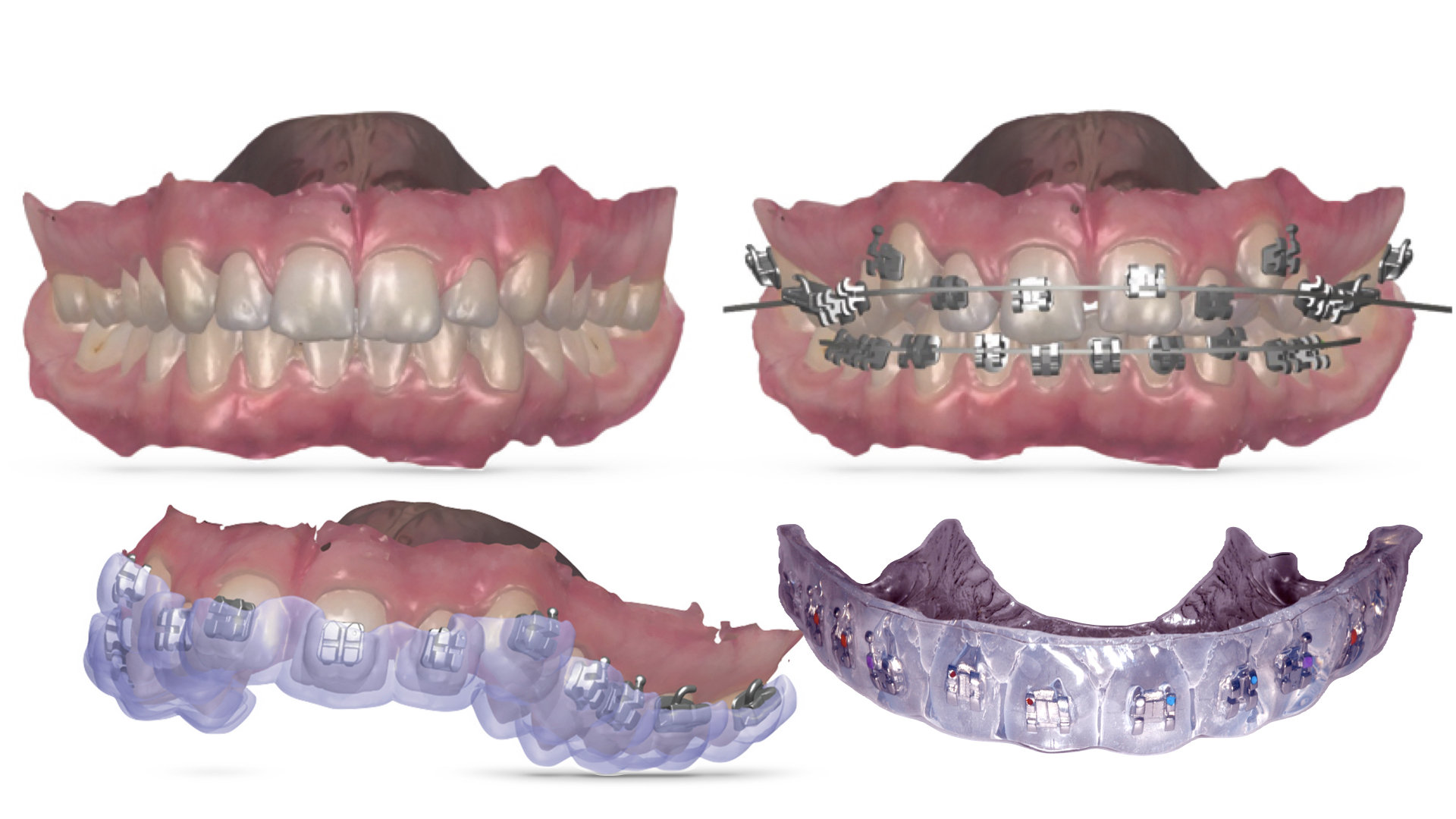
Digital indirect bonding provides an alternative method for transferring a virtually planned orthodontic setup into fixed orthodontic treatment.

Bracket positions are defined digitally in relation to the intended tooth positions and the individual dental morphology. Based on this virtual arrangement, customized transfer trays are designed and fabricated to reproduce the planned bracket positions during clinical bonding.

This approach connects digital orthodontic planning with the practical requirements of fixed appliance therapy and provides a controlled method for transferring the planned bracket arrangement to the patient’s dentition.

ADVANTAGES OF DIGITAL INDIRECT BONDING

Precise Bracket Positioning

Virtual bracket placement allows positions and angulations to be defined and evaluated before clinical bonding. Customized transfer trays support accurate reproduction of the planned arrangement.

Reduced Clinical Chair Time

Digital planning and tray fabrication are completed before the bonding appointment, reducing the time required for bracket placement in the dental chair.

Predictable Digital-to-Clinical Transfer

The virtual bracket arrangement can be reviewed in relation to individual tooth morphology and the intended orthodontic setup. Digitally designed transfer trays provide a defined method for transferring this arrangement into clinical treatment.