APPROACH
Biomedical Engineering in Dentistry

Biomedical Engineering in Dentistry
Understanding the Masticatory System
The human masticatory system is a complex interaction of anatomical structures, dental morphology, joint relationships, and functional movements.
At NATURAL ESTHETICS, we examine these relationships as a whole rather than evaluating individual teeth in isolation.
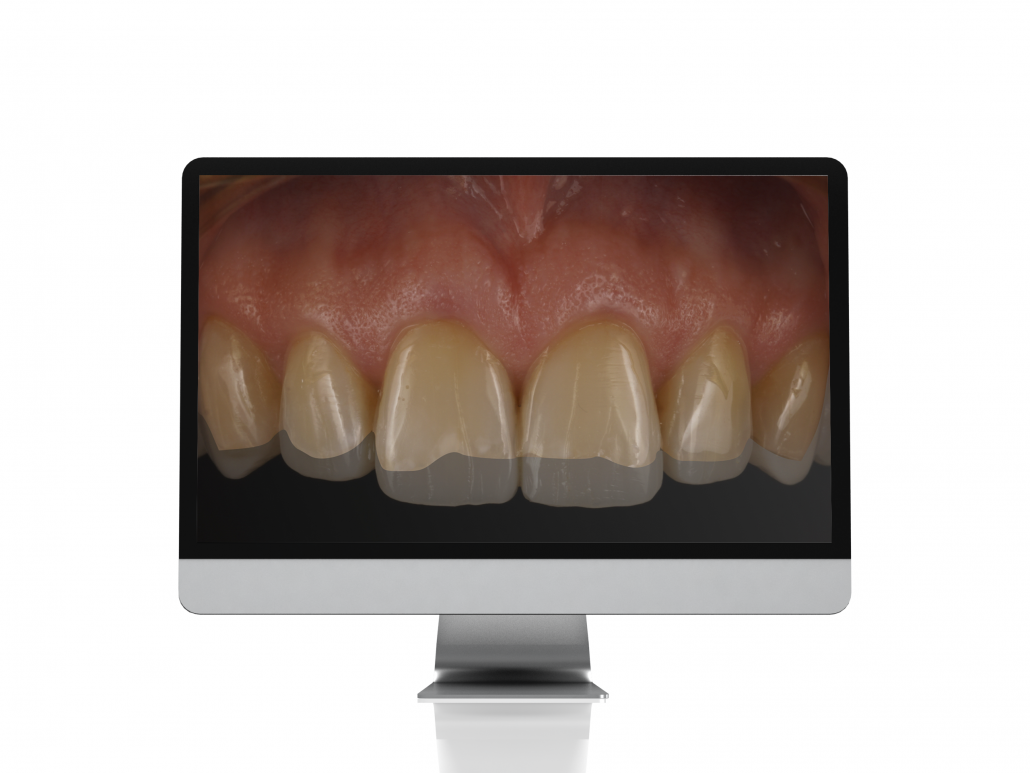
Changes resulting from tooth wear, loss of hard tissue, tooth loss, alterations in tooth position, restorative procedures, or orthodontic treatment can affect both morphology and function.
Understanding these changes provides the basis for developing an individual rehabilitation concept.
Form Follows Function. Function Follows Form.
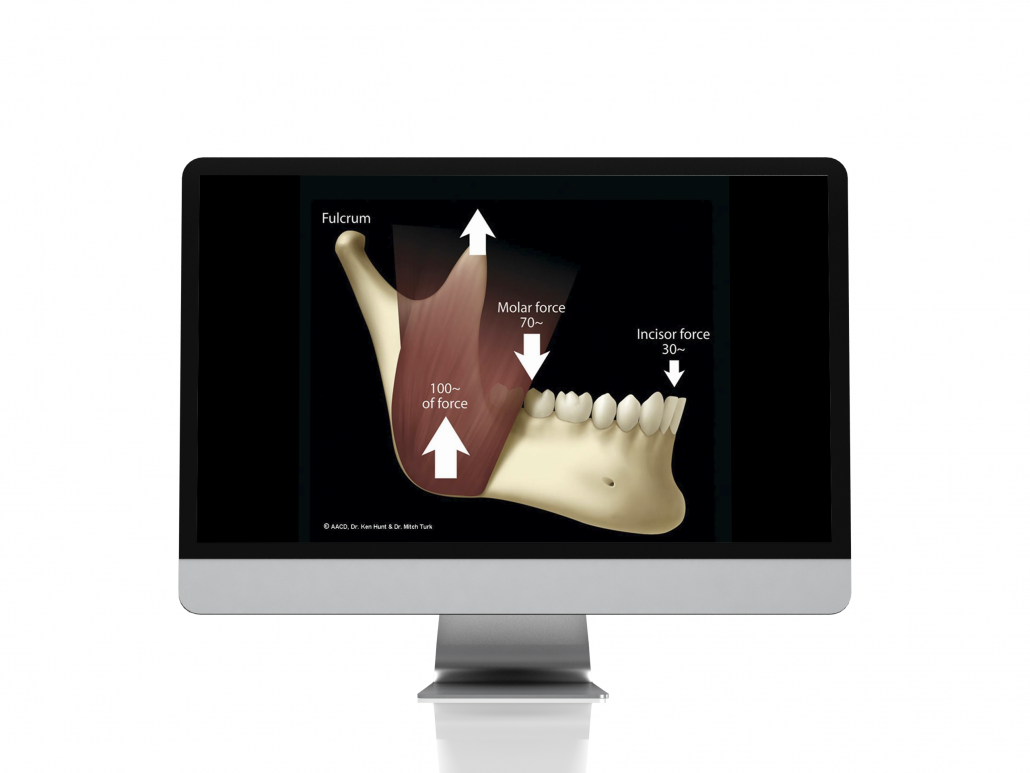
Dental morphology and function are interdependent.
Our approach combines biomedical principles with the analysis of structural and functional relationships. Clinical findings and functional parameters are translated into the design of dental appliances, treatment planning concepts, and restorative solutions.
The objective is to develop restorations that integrate with the individual characteristics of the masticatory system.
From Biological Understanding to Engineering
Our approach begins with the biological system and the relationships that determine its function. Anatomy, morphology, joint position, movement, and functional interaction provide the information from which individual requirements can be derived.
Biomedical engineering allows these biological relationships to be translated into measurable parameters, design decisions, and technical solutions. Digital technologies support this process, but they are tools rather than the starting point. The starting point is the biological understanding of the system and the question of how its functional principles can be preserved or restored.
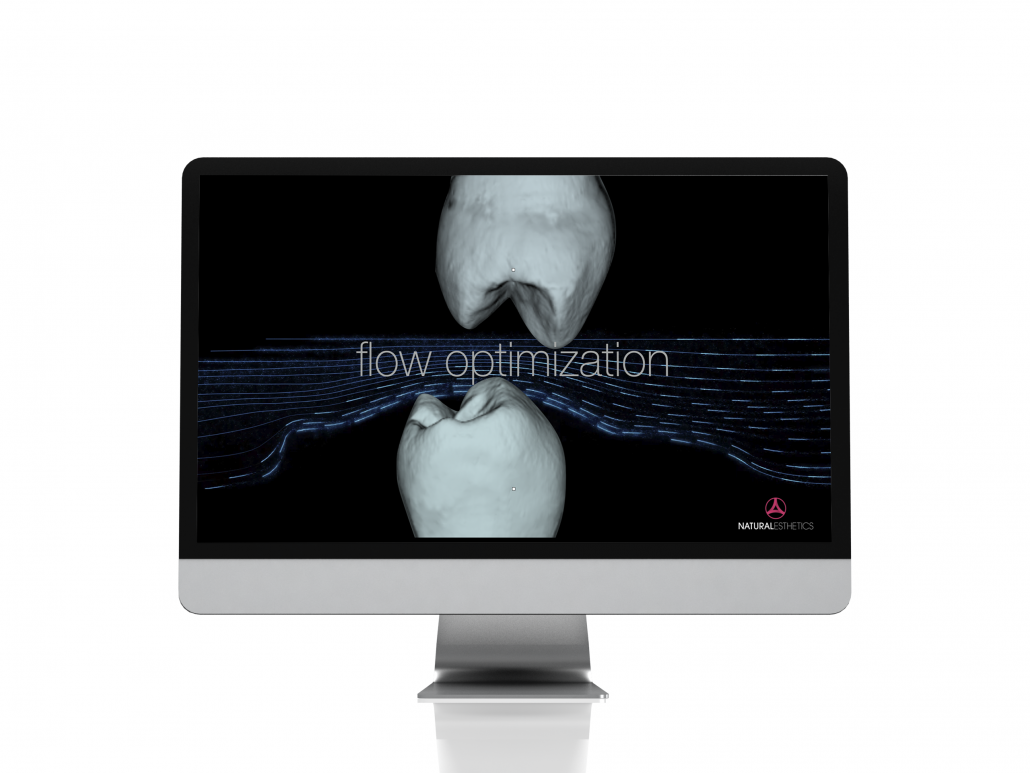
Evolutionary Design and Digital Technologies
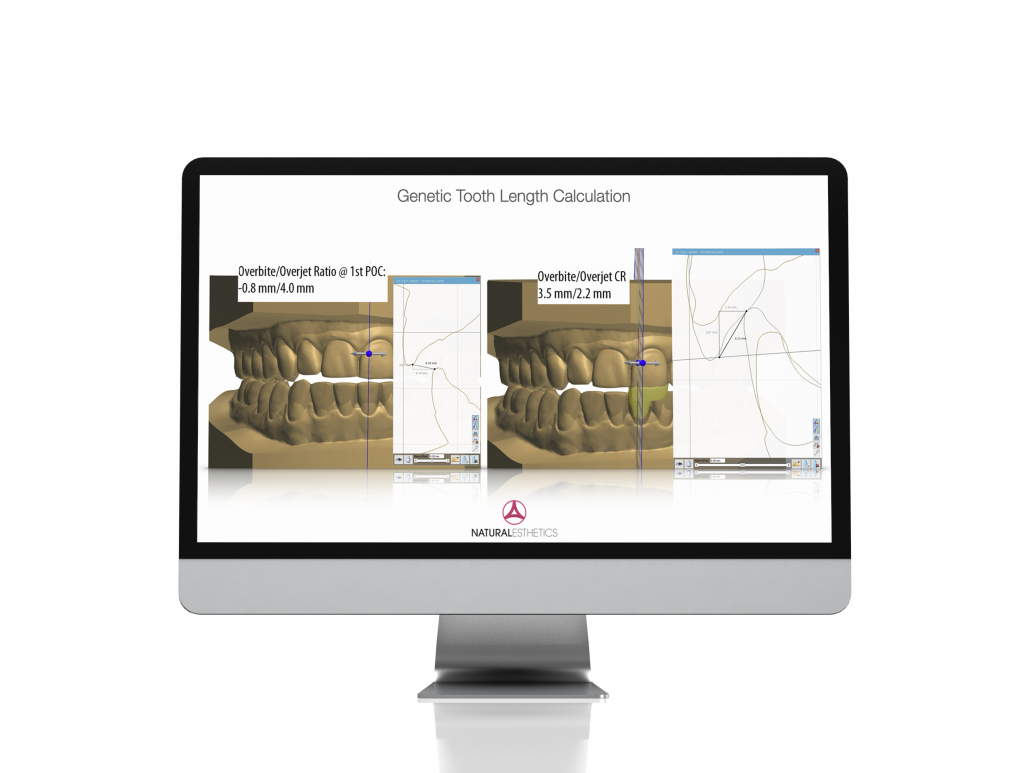
We apply principles of evolutionary design to the development of dental morphology.
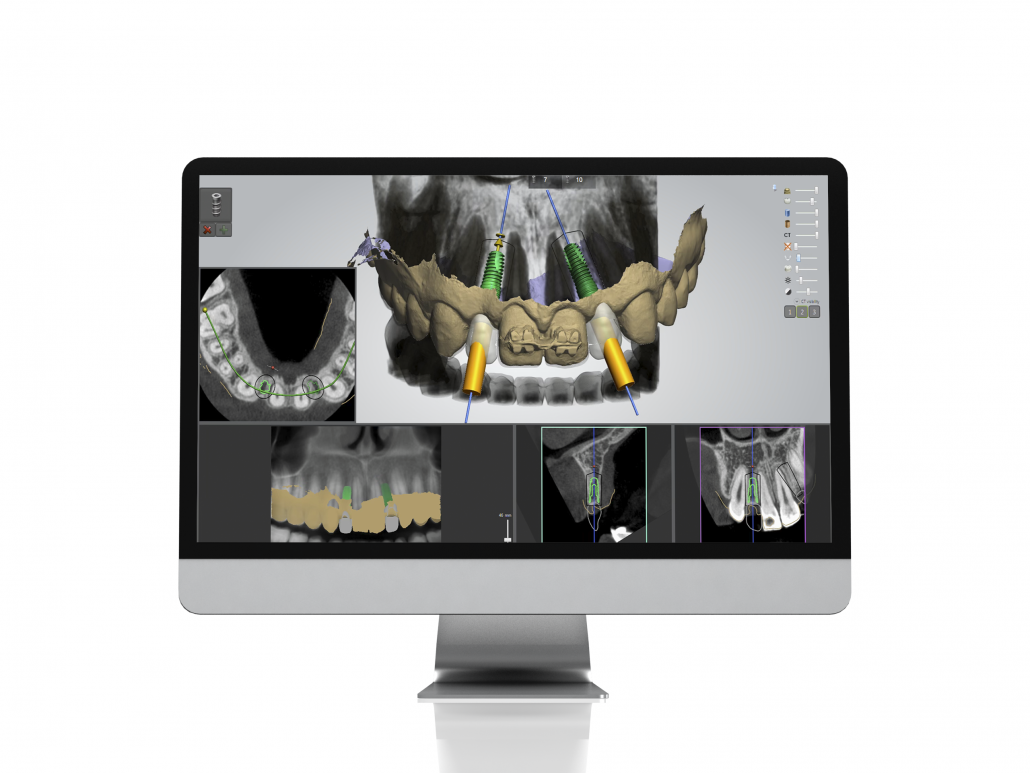
Digital technologies allow us to analyze anatomical relationships, develop virtual treatment concepts, and translate complex design requirements into manufacturing processes.
Position, shape, fit, and functional relationships can be planned and evaluated within a digital workflow.
Interdisciplinary Collaboration
Complex rehabilitation requires the integration of clinical findings, technical analysis, and treatment planning.
We work within an international network of dental professionals and specialists, contributing dental technical expertise to the development and implementation of individual treatment concepts.