
Interview “Digital Manufacturing”
While researching the topic of ‘Digital Manufacturing’, some essential questions have opened up for us. What is the advantage of working with digital
production? What is the difference between additive and subtractive manufacturing? What is the future of digital manufacturing?
Follow along with us as Miriam dives into the world of dentistry and expands her knowledge on the topic of digital manufacturing. Bernhard Egger, the Managing Director of Natural Esthetics, sits down with Miriam and walks through the processes that make what we do possible. Join in and see if you, along with Miriam, learn something new.
How long has Natural Esthetics been working fully with digital production?
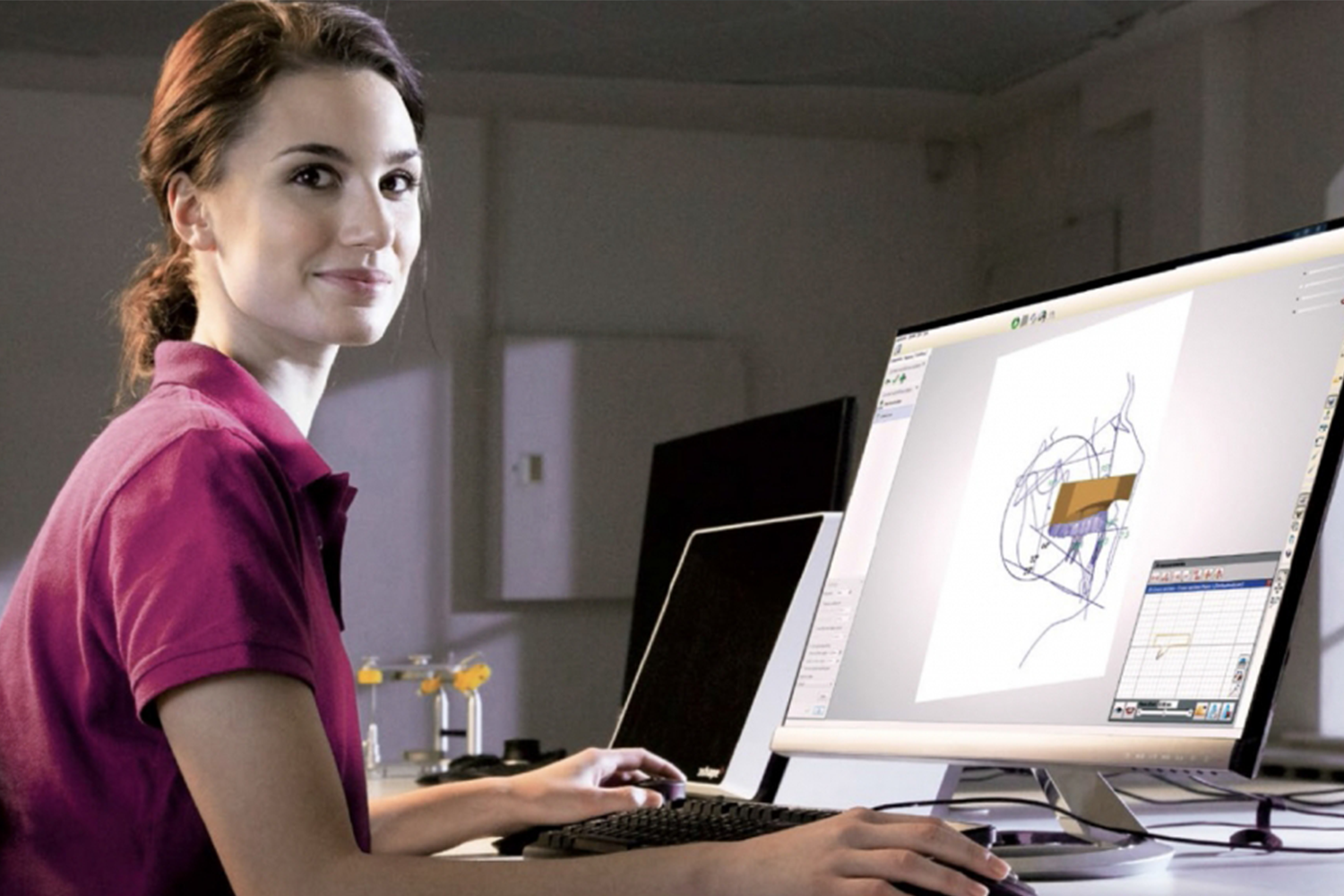
With the introduction of BIORTHOSIS® in 2012 we decided to switch to completely digital production. This change was fundamental in creating a flexible and above all, economic production.
What led you to your decision to use digital manufacturing within dentistry?
Every automated production process offers greater process reliability. Products can be manufactured with consistent quality within short time frames. The combination of both effectiveness and efficiency of our processes also plays an important role. We pay attention to targeted, yet resource-saving production. This process enables us to ensure that work does not have to be repeated due to poor quality. This level of transparency and control is often difficult to achieve with manual production.
What criteria do you use to select our materials and machines?
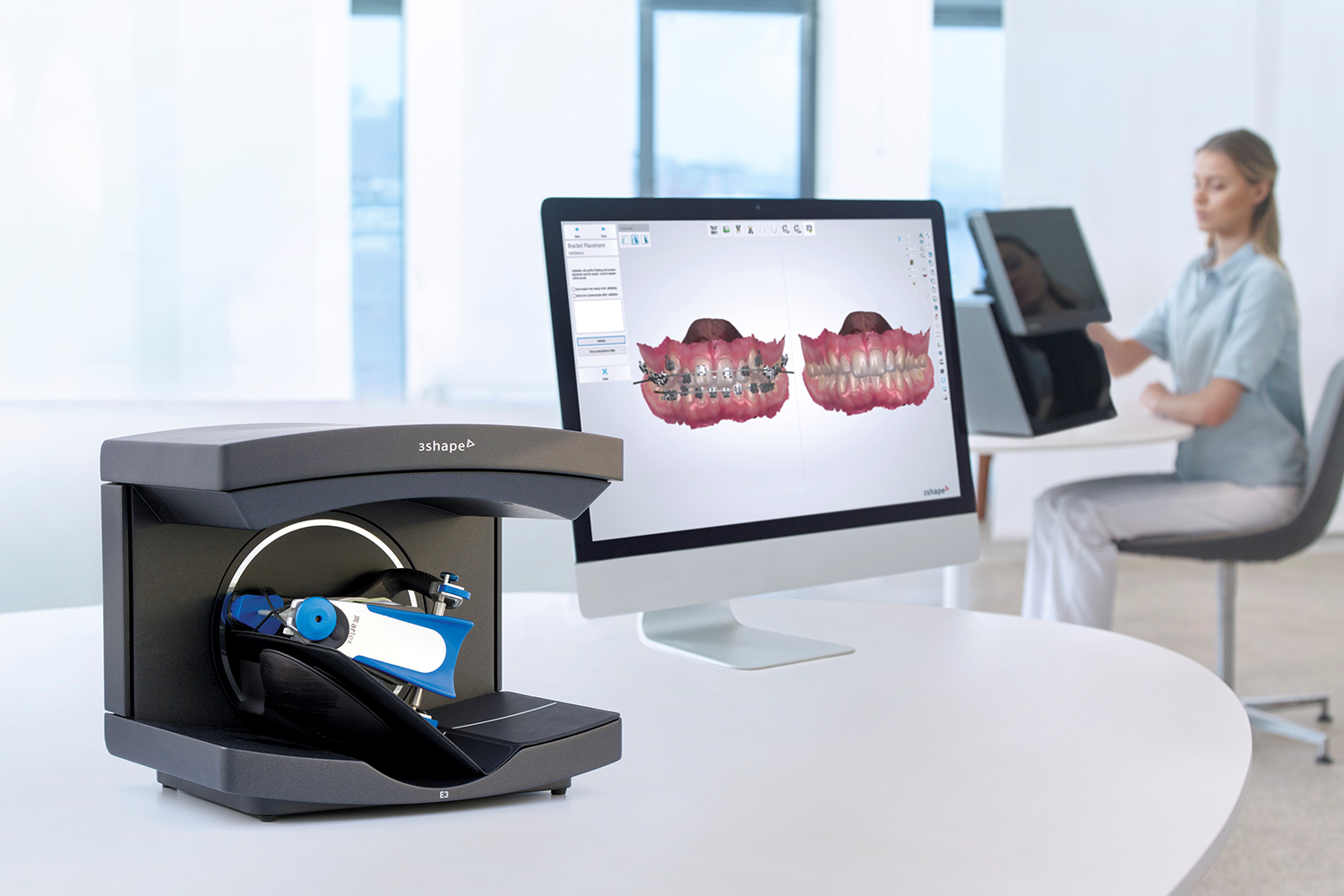
We always select our materials according to the following criteria: high quality, controllable manufacturing processes and fulfilment of the Medical Devices Act. In addition, the selected materials must fulfill our esthetic requirements. For example, we source the material for our splints from Japan, a leading country in PMMA quality.
We also pay attention to a number of requirements when selecting our equipment. These include precision, the reliability of the machines and, of course, cost-effectiveness.
Thecombination of selected materials and coordinated machines enables smooth production, with which we can fulfill our standards.
What changes do you think will be possible in the area of digital manufacturing in the future?
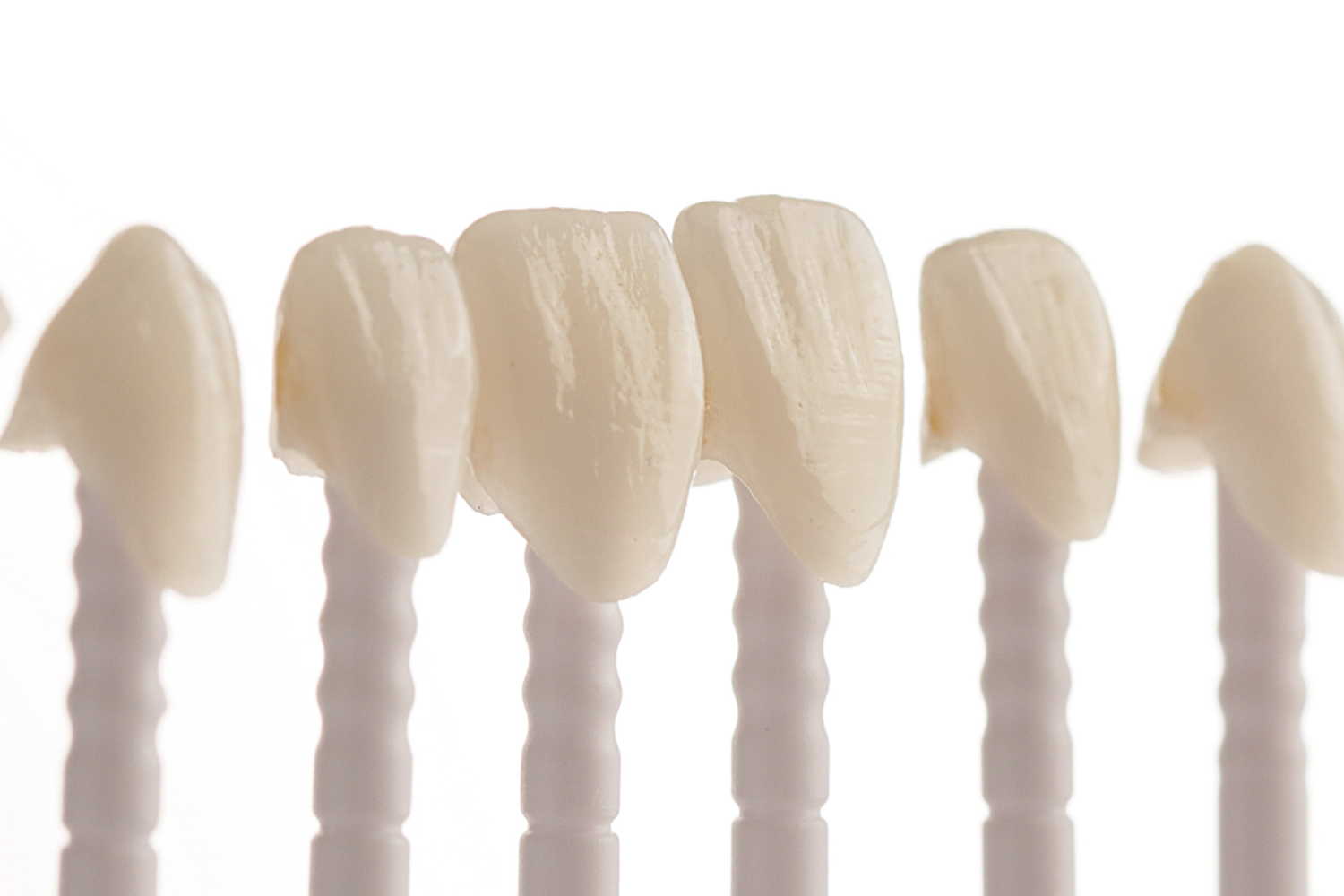
I am convinced that the processing of ceramic materials using 3D printing will revolutionize the industry. The entire dental market will be restructured by this innovation. Esthetic anterior teeth are currently still very much manual work. This application will also replace and facilitate this manual process.
How are you staying proactive as a company?
We keep a close eye on developments in new manufacturing processes. In this regard, we are in close contact with technical universities and various companies in the dental industry in order to keep abreast on the latest innovations in the dental market. We want to continue to invest in developments, further training and, above all, emerging technologies in order to be able to offer products of the highest quality and modern standards at all times.
Why do we use both subtractive and additive manufacturing?
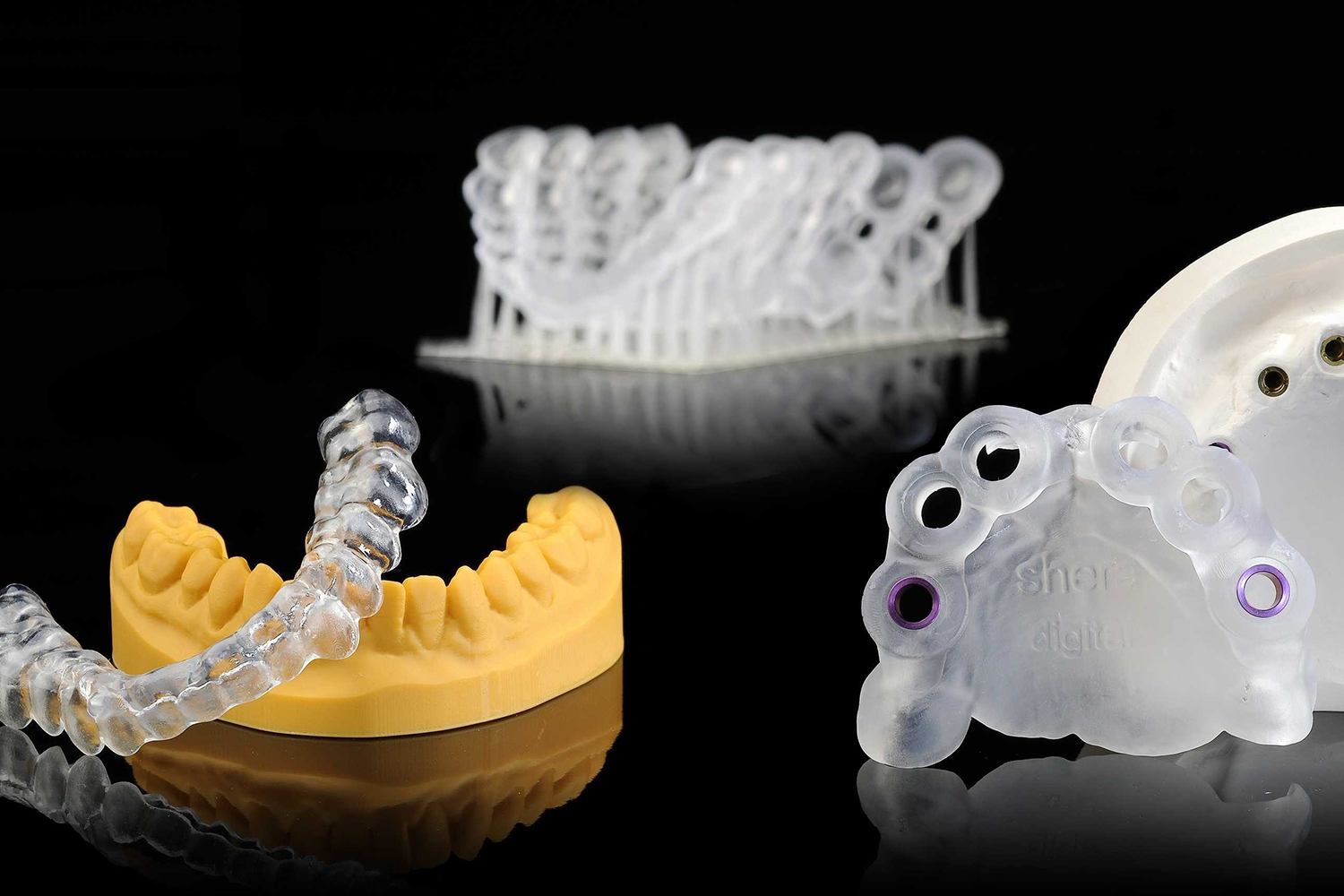
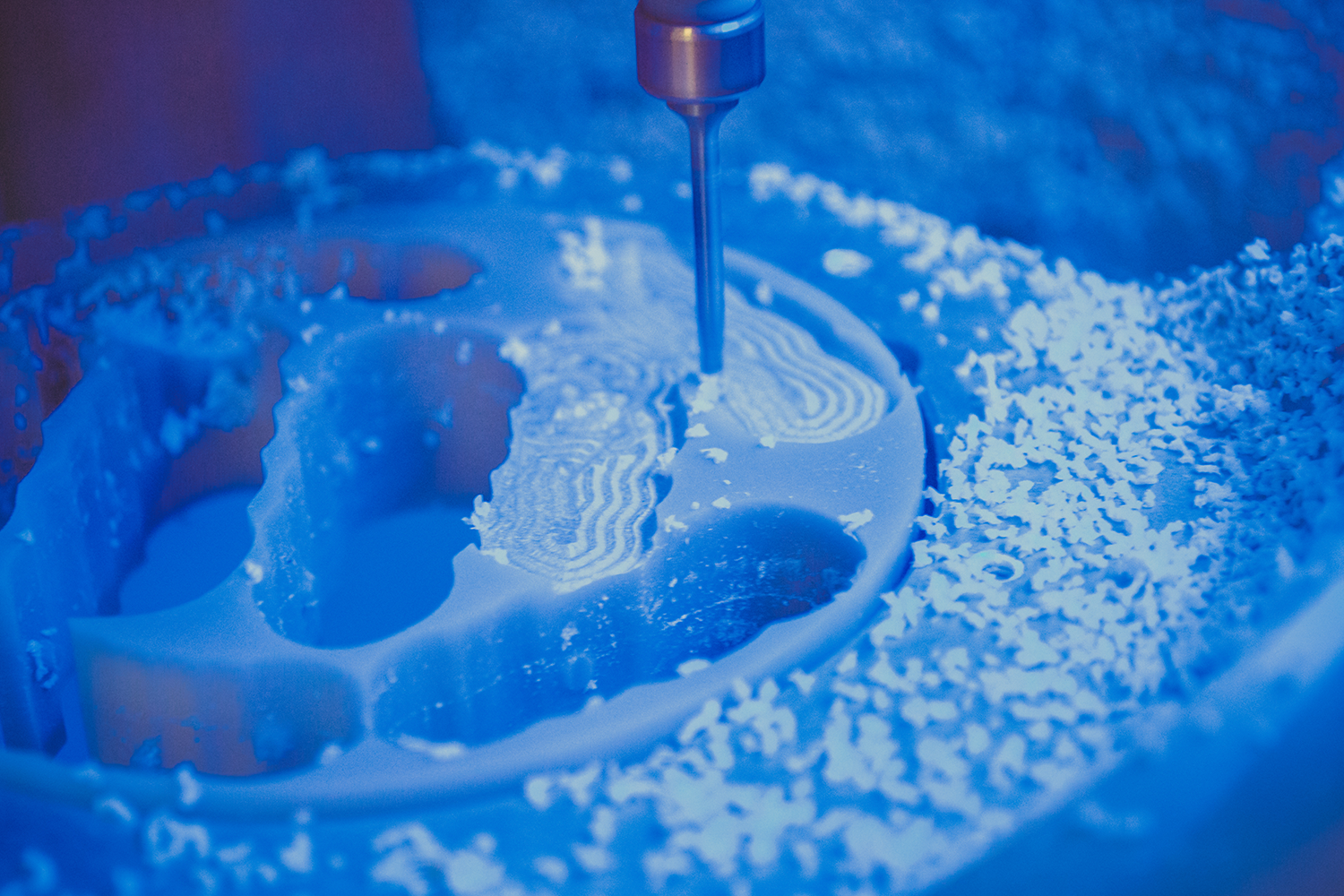
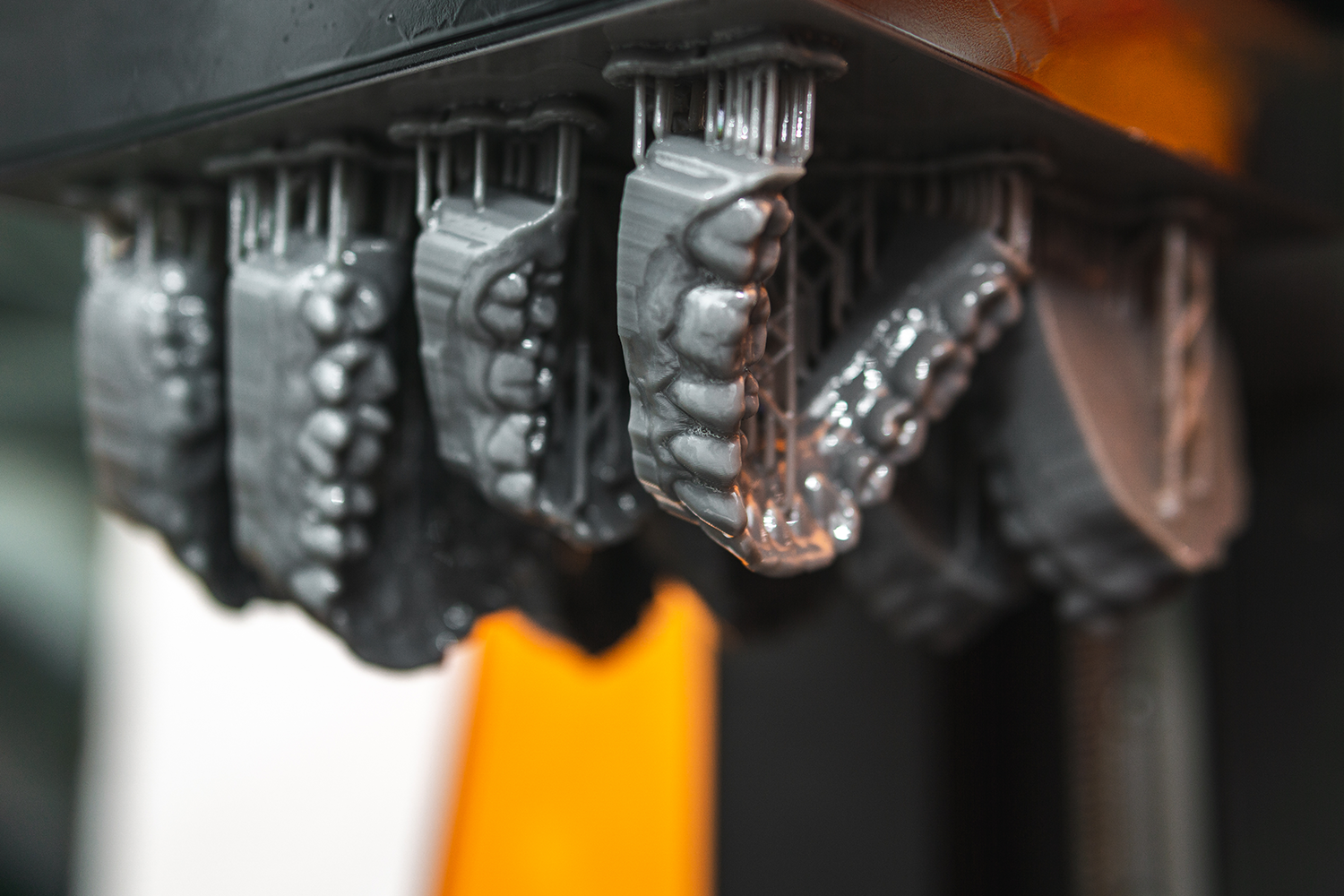
We rely on a combination of subtractive and additive manufacturing due to the different areas of application in our company. In subtractive manufacturing, a virtual model created using CAD software serves as the input for production. The milling machine uses computer-aided manufacturing data (CAM) without any further human assistance. Our splints, which are made of PMMA, do not change chemically or thermally, but are only carved from their initial shape. In contrast, additive manufacturing refers to creating the form from scratch, mainly through 3D printing. The preparation of models for 3D printing is largely automated, which makes it much easier to set up production orders. Our models are then printed based on the previously created CAM data. Prototypes can also be produced quickly and cost-effectively using this process. 3D printing also offers a wide range of material options. Components or products that are not used directly in the patient’s mouth are manufactured in our company using additive manufacturing, such as dental models. The plastic used for 3D printing is subject to certain restrictions according to the Medical Devices Act. Biocompatibility is the keyword here. Materials that do not have a negative impact on metabolism when in direct contact with living tissue are categorized as biocompatible. All in all, versatility and adaptability can be perfectly realized through additive and subtractive manufacturing.
Interview by Miriam Pfanzelt, NATURAL ESTHETICS.
