
Case 01 – Functional Rehabilitation Using Biorthosis and BioMorphing
Background
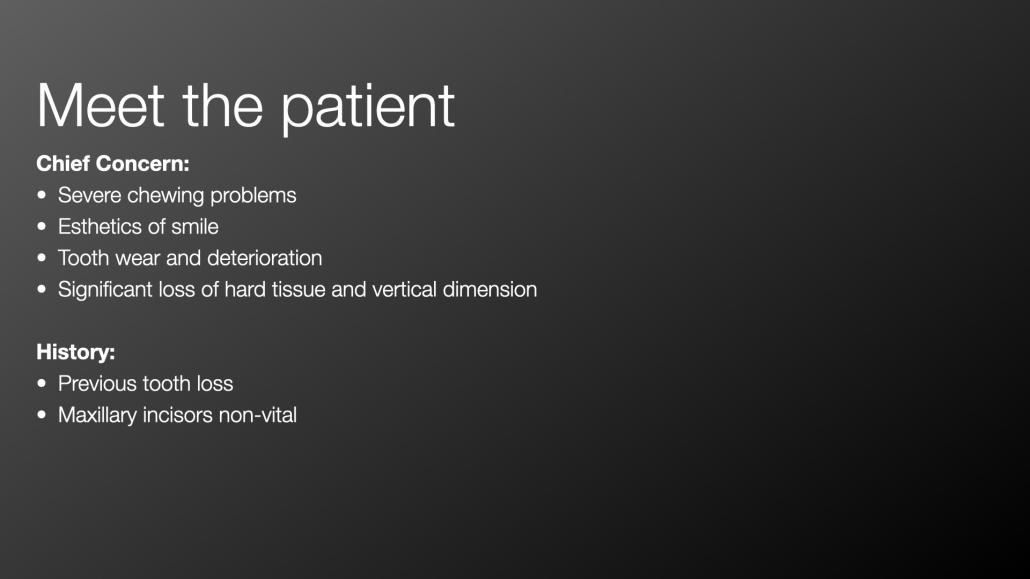
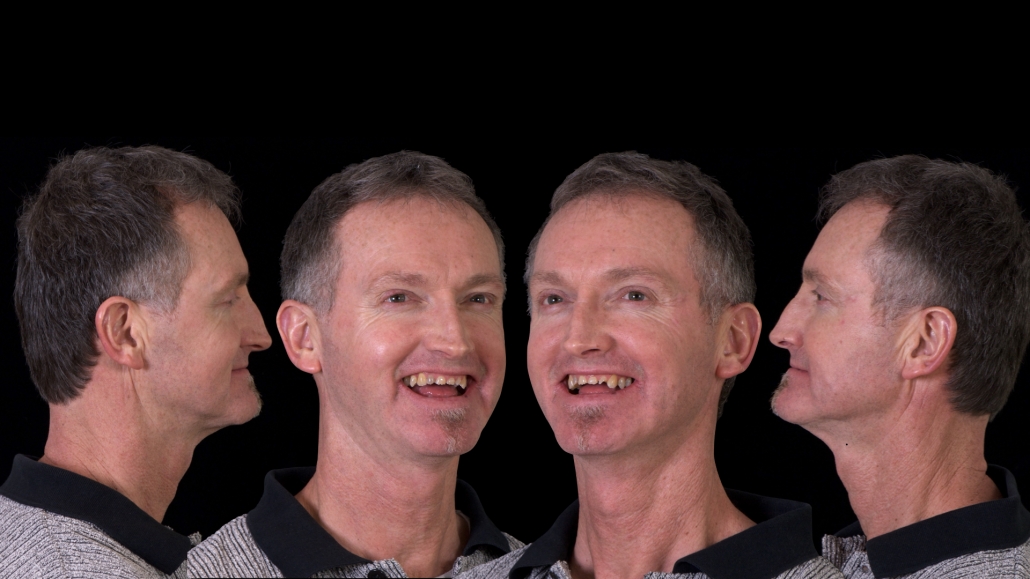
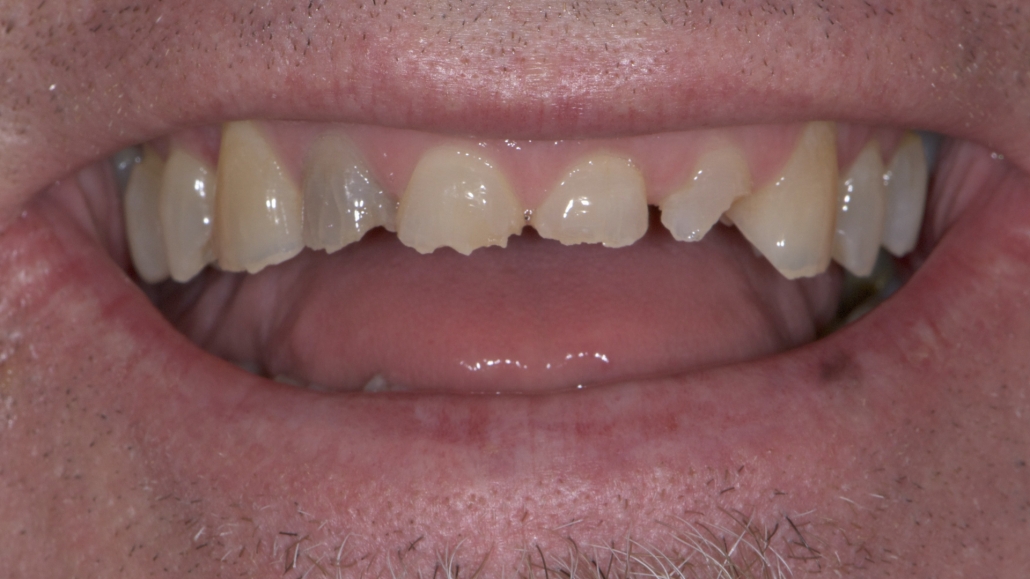
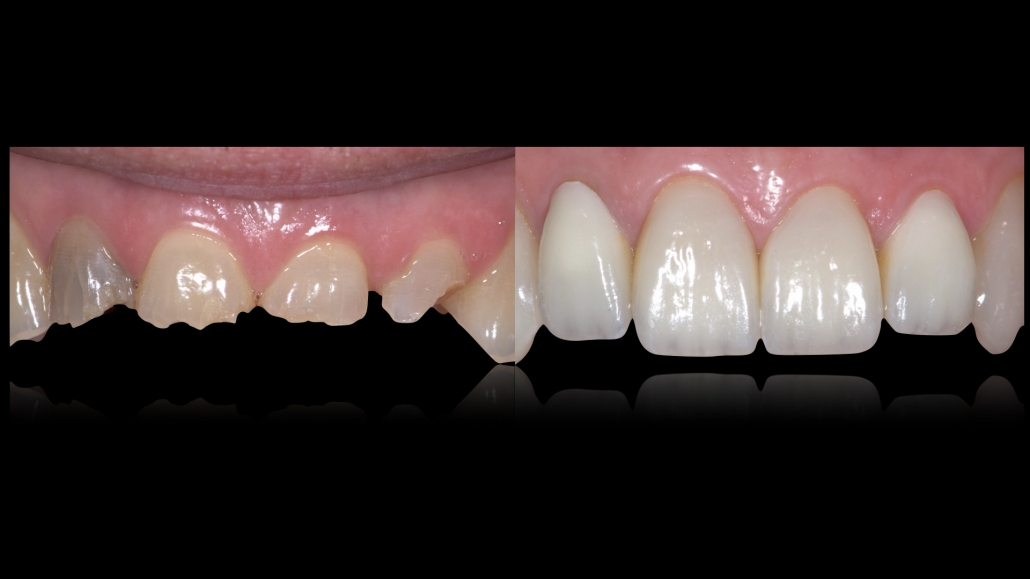
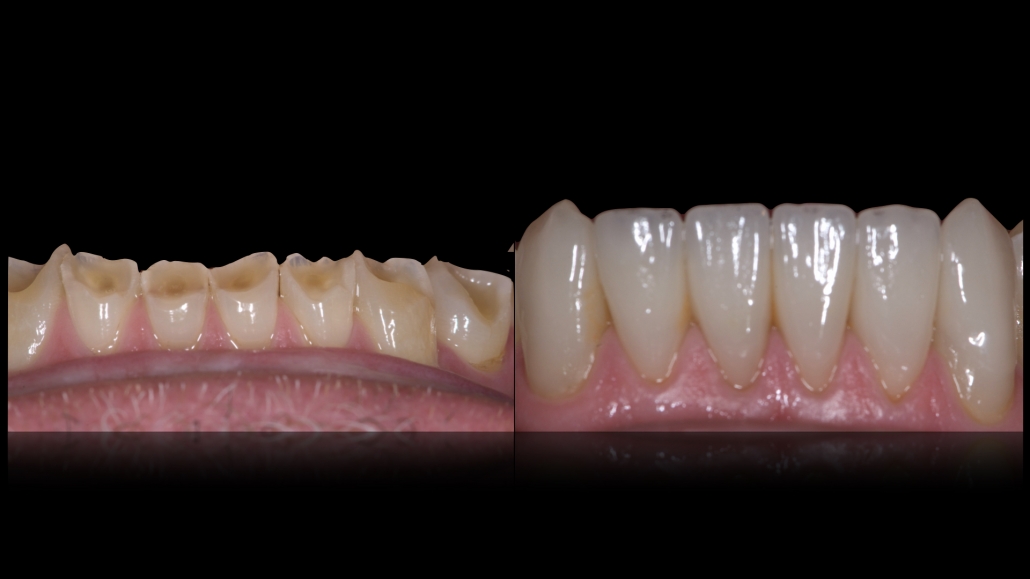
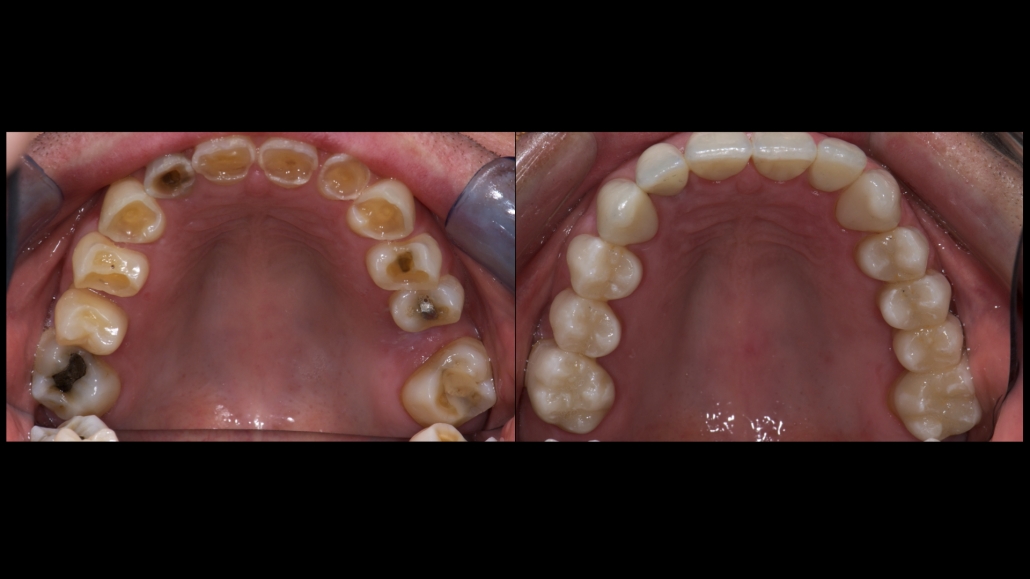
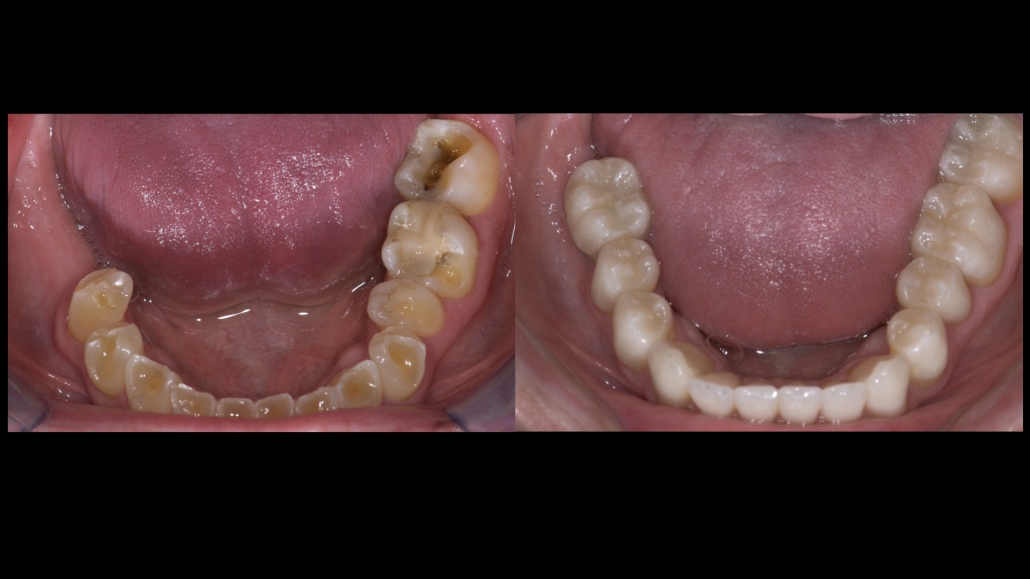
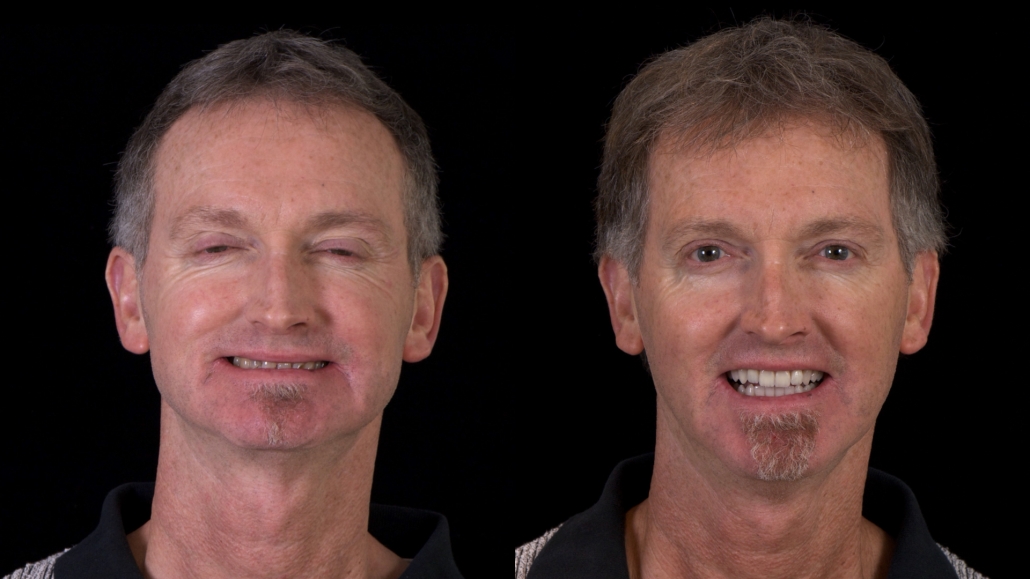
A 56-year-old patient presented with severe chewing difficulties and dissatisfaction with the appearance of his smile. Over more than three decades, progressive tooth wear had resulted in extensive loss of hard tissue and a significant reduction of the vertical dimension of occlusion. The maxillary right lateral incisor had previously undergone endodontic treatment and was non-vital. Previous dental treatment included tooth extractions, placement of two implants in the lower left posterior quadrant, and root canal therapy.
The Challenge
Clinical examination revealed a severe morphological collapse of the masticatory system with a loss of vertical dimension exceeding 10 mm. The primary challenge was not the reconstruction of individual teeth, but the rehabilitation of an unstable chewing system characterized by:
- Extensive loss of tooth structure
- Loss of vertical dimension
- Unstable condylar position
- Altered functional patterns developed over decades
Before definitive restorative treatment could be considered, the biologic and functional foundation of the system had to be re-established.
Treatment Concept
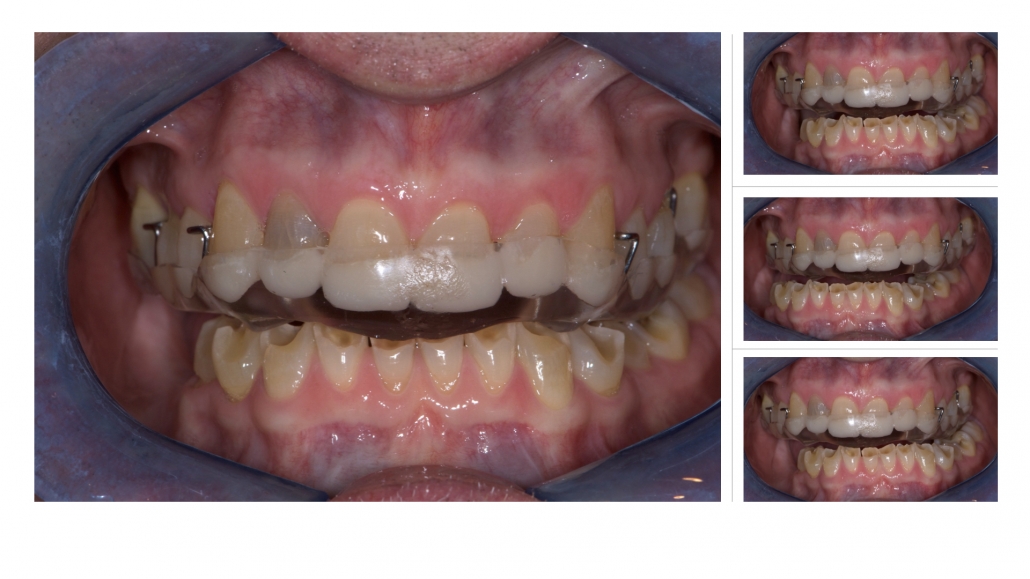
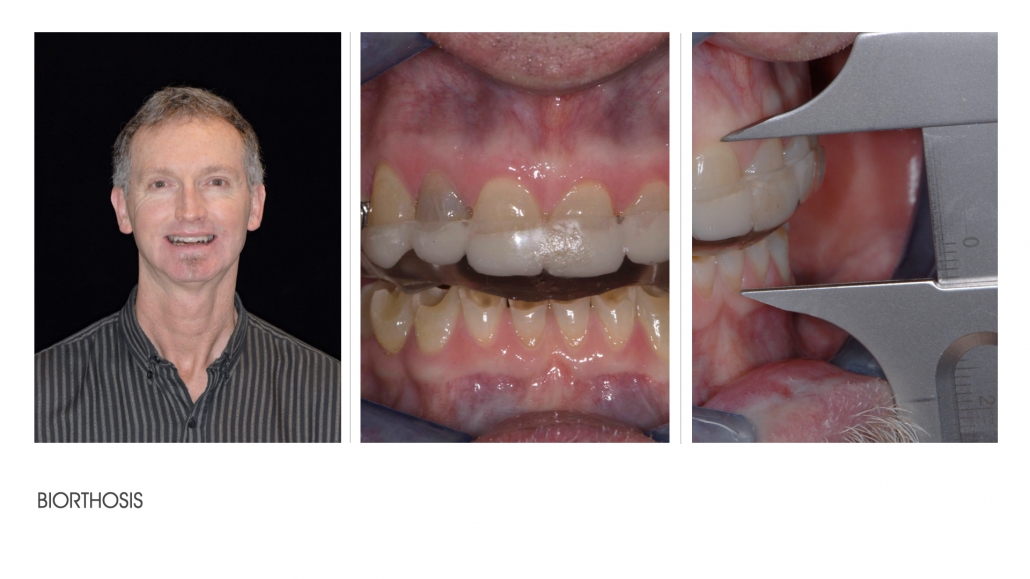
The treatment followed the principles of biologic functional rehabilitation. The first phase focused on joint stabilization through the use of a Biorthosis, a specially designed maxillary anterior-guided orthosis intended to establish a repeatable and biologically acceptable mandibular position. Once stabilization had been achieved, BioMorphing was used to develop and evaluate a proposed tooth morphology that supported the newly established functional relationship.
The treatment sequence included:
1. Functional diagnosis
2. Joint stabilization with Biorthosis
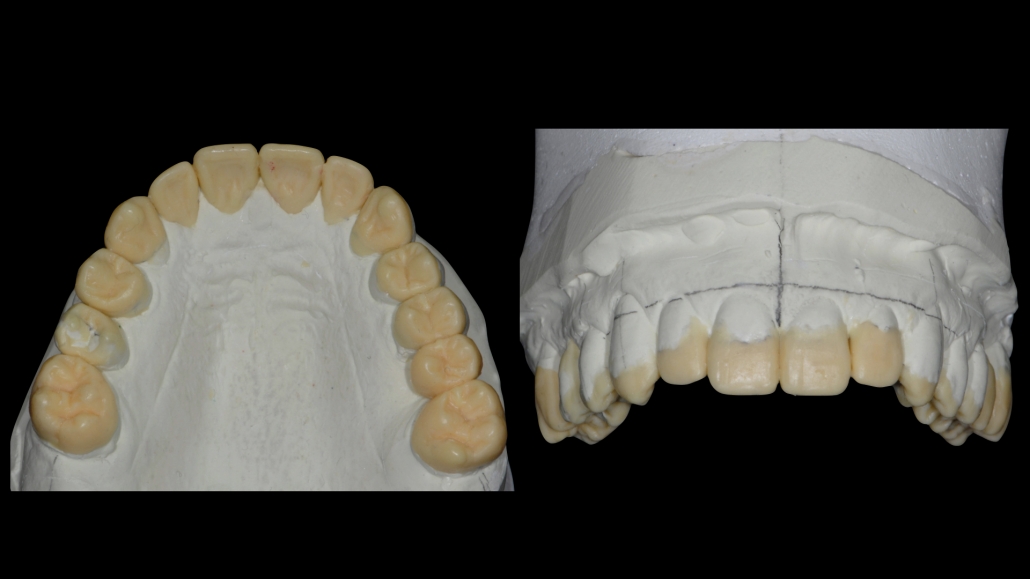
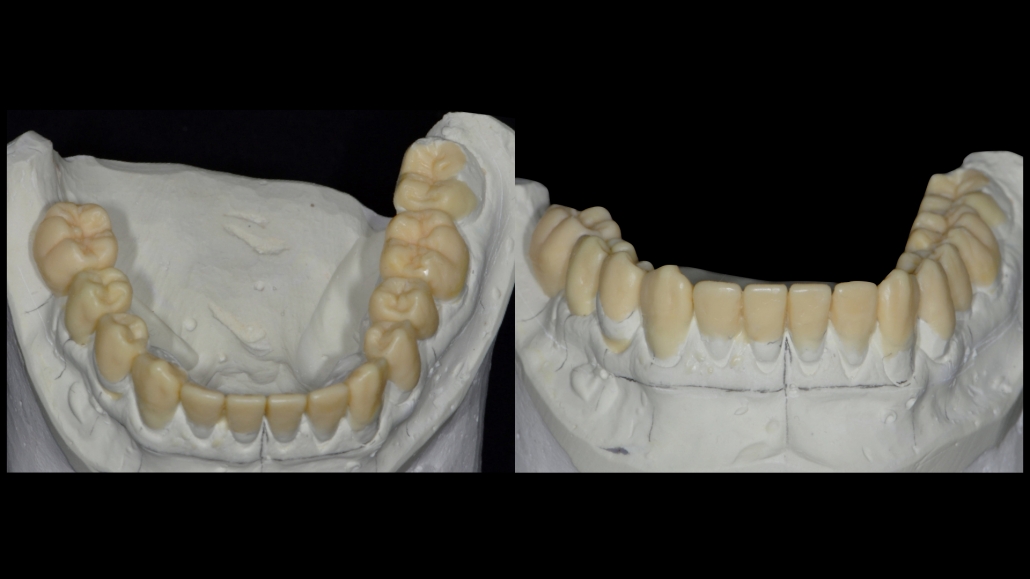
3. BioMorphing and treatment simulation
4. Temporary restorations
5. Functional verification
6. Definitive rehabilitation
Outcome
The patient achieved a stable functional relationship, restoration of vertical dimension, improved esthetics, and enhanced chewing efficiency. The final rehabilitation was based on a verified biologic position rather than assumptions made at the beginning of treatment. This approach reduced risk and allowed definitive restorative procedures to be performed within a stable and predictable functional environment.
Key Learning
Definitive restorations should never precede biologic stabilization. When a severely worn dentition presents with loss of vertical dimension and instability of the chewing system, the primary objective is not immediate reconstruction but the re-establishment of biologic function. Only after stabilization and functional verification should definitive restorative treatment be undertaken.